ClickUp Model Versioning Knowledge Hub
Establish a Robust Knowledge Base for Model Versioning Practices
Create a centralized, searchable repository for version control protocols, model updates, experiment logs, rollback strategies, and governance—empowering your team with the latest insights and standards.
 25,000+ reviews from
Trusted by the best
ClickUp vs Conventional Solutions
Why ClickUp Excels for Model Versioning Knowledge Management
Unify knowledge and workflows in one scalable platform.
With traditional tools
- Versioning data scattered across disconnected platforms
- Manual updates lead to outdated or inconsistent records
- Limited integration between model development and documentation
- Access controls cause duplication and confusion
- Time-intensive processes for maintaining version histories
With ClickUp
- Integrate documentation, model tracking, and collaboration in one workspace
- Automate task creation from knowledge gaps using ClickUp Brain
- Link version histories directly to model releases and experiments
- Granular permissions for internal, partner, and public knowledge sharing
- AI-powered assistance accelerates content creation and review with ClickUp 4.0 and Brain Max
Framework for Knowledge Base Creation
How to build a knowledge base tailored for model versioning practices
Follow this 6-step blueprint to organize, maintain, and evolve your model versioning documentation.
1. Identify stakeholders and define versioning objectives
- Determine users: data scientists, ML engineers, compliance teams
- Outline key versioning workflows from experiment tracking to deployment
- Assign documentation ownership to ensure continuity
2. Construct a navigable knowledge base architecture
- Develop a central hub with clear sections: version history, rollback procedures, experiment logs, model validations
- Use intuitive navigation with subpages and tables of contents
- Include changelogs and audit trails prominently
3. Standardize documentation templates for consistency
- Use uniform formats for version summaries, experiment reports, and model metadata
- Cover critical fields: version ID, parameters, training data, performance metrics
- Document failure modes and resolution steps to mitigate confusion
4. Incorporate practical guides and troubleshooting resources
- Provide step-by-step rollback instructions and branching strategies
- Include common pitfalls and debugging tips
- Centralize best practices for model promotion and deprecation
5. Synchronize documentation with model lifecycle events
- Link docs to releases, retraining cycles, and incident reports
- Integrate change requests and feedback loops
- Treat documentation as integral to model governance
6. Manage access and maintain knowledge integrity over time
- Configure permissions for internal teams, external collaborators, and stakeholders
- Maintain audit logs, version archives, and migration notes
- Schedule regular reviews and updates to prevent drift
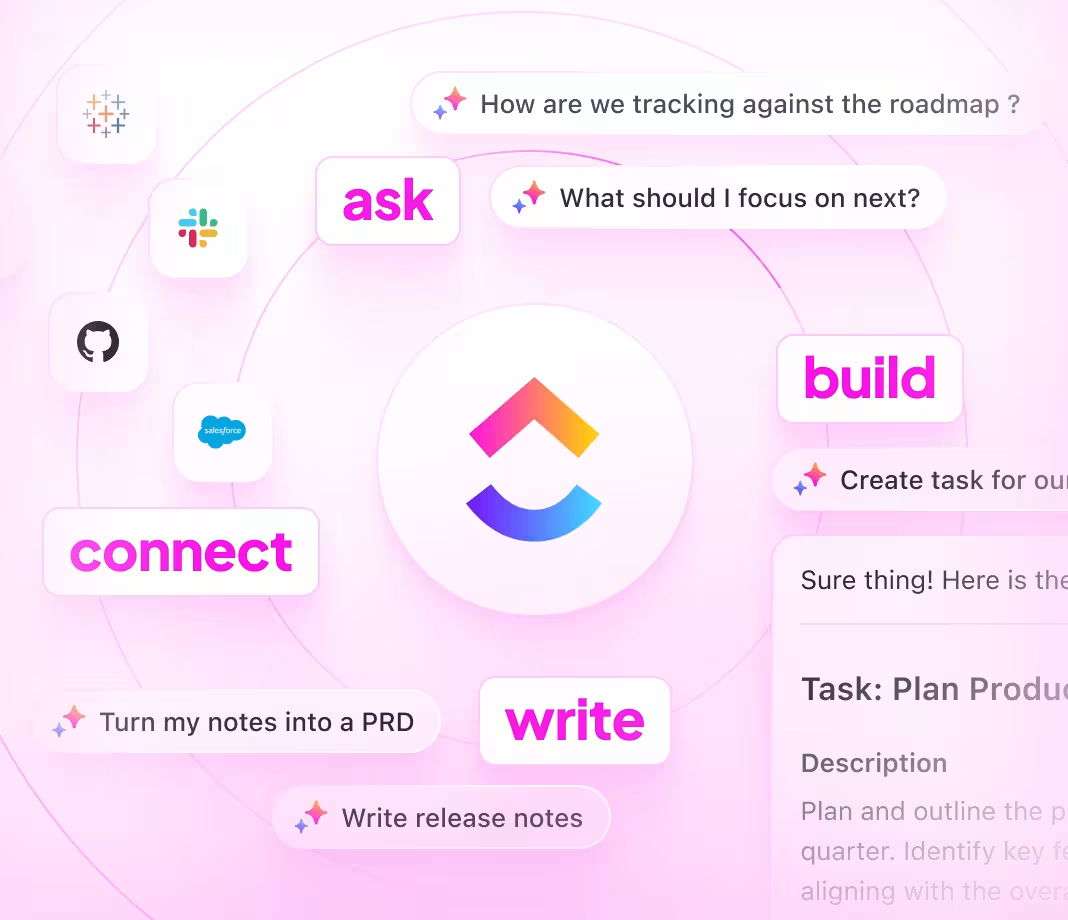
Harnessing ClickUp Capabilities
Unlock the power of ClickUp for your model versioning knowledge base
Ensure your model versioning documentation is structured, accountable, and evolves alongside your ML workflows.
Organize
Structured model versioning documentation with ClickUp Docs
- Sections for version histories, experiment tracking, rollback protocols, and governance
- Table of contents plus nested pages for intuitive navigation
- Consistent templates for version and experiment summaries
Why it matters: Teams find accurate information faster, minimizing deployment risks.

Accountability
Clear ownership and tracking of documentation updates
- Convert documentation gaps into actionable tasks with ClickUp Brain
- Assign owners, set deadlines, and define review cycles
- Monitor progress as part of your model development workflow
Why it matters: Documentation remains accurate and reflective of current practices.

Integrate
Link documentation directly to model lifecycle events
- Connect docs to model releases, retraining jobs, and incident postmortems
- Tie feedback and version change requests into documentation updates
- Use Brain Max to synthesize model performance summaries automatically
Why it matters: Documentation evolves with your models, ensuring compliance and transparency.

Model Versioning Knowledge Base with ClickUp
Common Questions Answered




SOC 2
CERTIFIED

ISO 27001
CERTIFIED

GDPR
COMPLIANT

HIPAA
COMPLIANT