
Materials Science Knowledge Hub
Build a Dynamic Knowledge Base for Materials Science
Create a unified, searchable repository for research data, material properties, experimental procedures, and analysis—empowering your team with the latest insights at their fingertips.
 25,000+ reviews from
Trusted by the best
ClickUp vs Traditional Solutions
Why ClickUp Elevates Materials Science Knowledge Management
Consolidate your research ecosystem with a platform that grows alongside your discoveries.
Traditional methods
- Data scattered across multiple disconnected tools
- Manual updates lead to outdated or inconsistent information
- Poor integration between experimental notes and project tasks
- Limited access control causes redundant copies
- Time-intensive maintenance and version tracking
Using ClickUp
- Centralized knowledge and project management in one workspace
- Seamless linking of experimental data, analysis, and tasks
- Assignable action items for knowledge gaps uncovered by ClickUp Brain AI
- Granular permissions for internal teams, collaborators, and public sharing
- AI-powered content drafting, summarizing, and troubleshooting accelerates updates
Building Your Knowledge Base
How to create a materials science knowledge base in ClickUp
Follow this 6-step framework to keep your materials data organized, accessible, and current.
1. Identify your research scope and user needs
- Define target users: researchers, engineers, students
- Outline key materials categories and study objectives
- Assign data stewards for ongoing knowledge curation
2. Design a clear, hierarchical knowledge base structure
- Organize by material type, properties, processes, and applications
- Use nested Docs and folders for intuitive navigation
- Incorporate changelogs for tracking data revisions
3. Standardize documentation templates for experiments and materials
- Create uniform pages covering composition, synthesis, characterization, and performance
- Include sections for methodology, results, and error analysis
- Embed data tables and visuals to enhance clarity
4. Develop practical guides and troubleshooting protocols
- Draft step-by-step experimental workflows
- Document common issues and corrective actions
- Centralize safety guidelines and compliance notes
5. Link documentation updates to project milestones and releases
- Connect knowledge base revisions to research phases and publications
- Treat documentation as an integral part of project delivery
- Ensure traceability from raw data to final reports
6. Manage permissions and maintain continuous review cycles
- Set access levels for internal teams, collaborators, and external reviewers
- Schedule periodic audits and update sessions
- Gather feedback to continuously refine your knowledge base
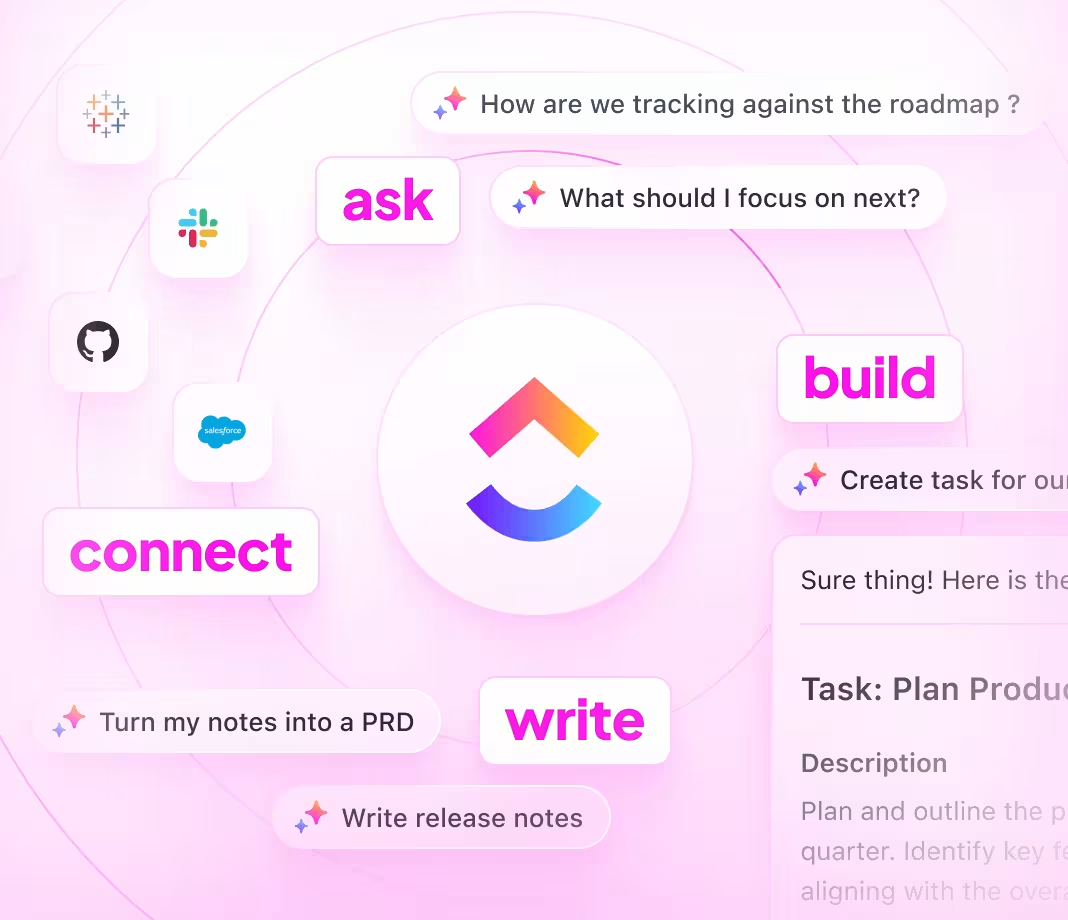
Leveraging ClickUp for Research Excellence
Unlock Materials Science Knowledge with ClickUp
Keep your materials data structured, accountable, and evolving alongside your latest findings.
Organize
Structured Materials Documentation with ClickUp Docs
- Categorize by composition, processing, characterization, and applications
- Use clear tables of contents and subpages for easy access
- Apply consistent templates for experiments and materials
Why it matters: Researchers locate critical data quickly, reducing duplication and errors.

Assign
Accountable Knowledge Management
- Convert documentation gaps into actionable tasks
- Assign ownership, deadlines, and review schedules
- Track knowledge base updates alongside research milestones
Why it matters: Ensures your knowledge remains accurate and reliable over time.

Integrate
Documentation Tied to Research Progress
- Link knowledge updates to experiments, analyses, and publication stages
- Connect issues and troubleshooting directly to data sets
- Incorporate feedback loops from collaborators and reviewers
Why it matters: Keeps your knowledge aligned with evolving research outcomes.

Materials Science Knowledge Base with ClickUp
Frequently Asked Questions


SOC 2
CERTIFIED

ISO 27001
CERTIFIED

GDPR
COMPLIANT

HIPAA
COMPLIANT