Build a Comprehensive Knowledge Base for Load Testing Protocols
Develop a centralized, searchable repository for methodologies, test scripts, metrics, troubleshooting, and updates—ensuring your team accesses the definitive load testing resource every time.
 25,000+ reviews from
Why ClickUp Excels for Load Testing Knowledge Management
Consolidate your testing knowledge with a platform that adapts as your projects grow.
Traditional Approaches
- Testing documentation scattered across tools and formats, causing inconsistencies
- Manual updates prone to oversight and delays
- Disconnect between test execution and documentation
- Limited access controls leading to redundant copies
- Time-intensive creation and maintenance processes
Using ClickUp
- Integrate documentation with task management and collaboration
- Automatically convert documentation gaps into actionable tasks
- Link test procedures to real-time testing cycles and incidents
- Granular permissions for internal teams and external collaborators
- AI-powered features like ClickUp Brain accelerate content creation and review
Step-by-Step Guide to Building Your Load Testing Repository
Follow this 6-step framework to create a structured, accessible, and current knowledge base tailored for load testing.
1. Identify your team’s needs and documentation scope
- Define user roles such as testers, engineers, and stakeholders
- Outline key load testing objectives and scenarios
- Assign responsibility to maintain and update documentation
2. Design a clear, navigable knowledge base structure
- Develop sections for test plans, environments, scripts, metrics, and troubleshooting
- Use a logical hierarchy to facilitate quick information retrieval
- Incorporate changelogs and version histories prominently
3. Standardize load testing procedure templates
- Create uniform pages detailing test objectives, configurations, execution steps, and expected outcomes
- Include error handling and anomaly detection guidelines
- Ensure consistency across all test cases to reduce confusion
4. Supplement with practical guides and troubleshooting workflows
- Develop step-by-step guides for common load test setups and tools
- Document frequent issues and resolution tactics
- Centralize knowledge on monitoring, reporting, and scaling tests
5. Synchronize documentation with testing cycles and releases
- Link updates to testing phases, bug reports, and performance incidents
- Treat documentation as a living asset integrated into your release process
- Maintain accuracy as test environments and parameters evolve
6. Manage access and foster ongoing knowledge stewardship
- Implement role-based permissions for internal teams and external partners
- Keep migration notes, deprecation warnings, and feedback loops active
- Schedule periodic reviews to prevent knowledge decay
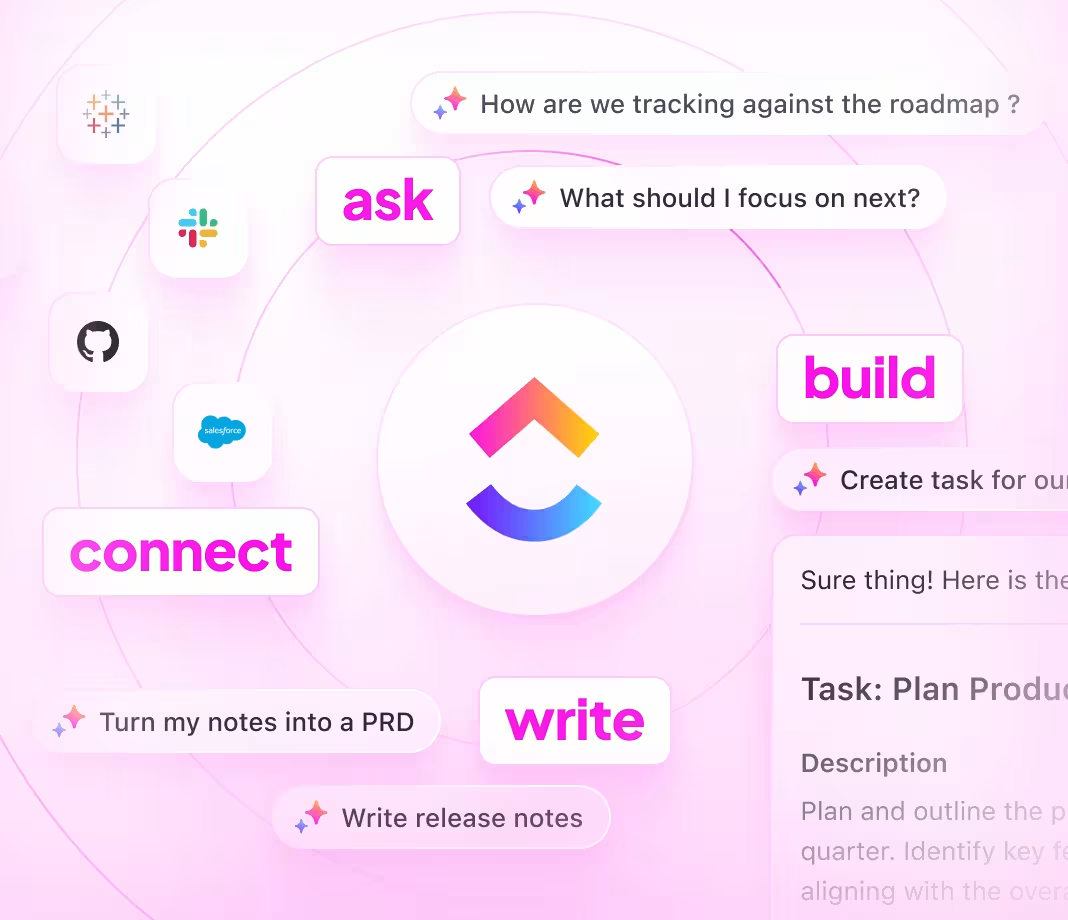
How ClickUp Empowers Load Testing Knowledge Management
Maintain structured, accessible, and up-to-date load testing documentation that evolves with every test cycle and system update.
Structured Documentation with ClickUp Docs
- Sections for Test Plans, Environments, Scripts, Metrics, Troubleshooting
- Table of contents plus nested subpages for intuitive navigation
- Consistent formatting templates for every test procedure
Why it matters: Your team finds critical test information swiftly, reducing delays and miscommunication.

Clear Ownership and Accountability
- Convert documentation gaps into actionable tasks
- Assign owners, deadlines, and review schedules
- Track documentation progress alongside test execution
Why it matters: Documentation remains accurate and current because responsibility is clearly assigned.

Documentation Synced with Testing Cycles
- Link docs directly to test runs, performance incidents, and bug tickets
- Connect feedback and support issues back to documentation
- Use ClickUp Brain and Brain Max to automate content updates and summaries
Why it matters: Your knowledge base evolves seamlessly as load testing environments and requirements change.

Frequently Asked Questions






