
Create a Dynamic Knowledge Base for Load Balancing Strategies
Centralize all your load balancing algorithms, configurations, troubleshooting guides, and performance metrics in one searchable space—ensuring your team accesses the most reliable and up-to-date resources.
 25,000+ reviews from
Why ClickUp Outperforms Conventional Load Balancing Documentation Tools
Unify your knowledge and operations in a single scalable platform.
Challenges with traditional tools
- Load balancing knowledge scattered across multiple, disconnected systems
- Manual updates leading to outdated configurations
- Lack of integration with deployment and monitoring workflows
- Rigid permissions causing duplications and access issues
- Time-consuming creation and maintenance without automation
Advantages of ClickUp
- Integration of documentation with live tasks and system monitoring
- Automatic task generation for knowledge gaps and updates
- Direct linking of docs to deployment cycles and incident reports
- Granular access controls for internal teams and external partners
- AI enhancements like content drafting, summarization, and troubleshooting assistance
Step-by-Step Guide to Develop a Load Balancing Knowledge Base
Follow this 6-step framework to maintain a structured, accessible, and current knowledge repository.
1. Identify your audience and define knowledge base objectives
- Determine who will use the knowledge base: network engineers, DevOps, support teams
- Outline key topics from basic load balancing concepts to advanced algorithm configurations
- Assign responsible owners to ensure continuous content accuracy
2. Architect a clear, logical knowledge base layout
- Design a centralized hub with intuitive navigation for quick reference
- Include essential sections such as algorithms, configuration examples, monitoring, and troubleshooting
- Organize performance benchmarks and updates for easy discovery
3. Standardize documentation pages for consistency
- Define a uniform template covering problem description, solution approach, configuration steps, and validation
- Incorporate common error scenarios and mitigation tactics
- Ensure each page follows the same structure for ease of use
4. Enrich content with practical guides and diagnostics
- Develop step-by-step how-tos for implementing load balancing techniques
- Include troubleshooting workflows for frequent issues like traffic spikes and failover errors
- Centralize monitoring setup guides and alert configurations
5. Link documentation updates directly to deployment activities
- Connect knowledge base edits to release schedules, incident resolutions, and configuration changes
- Treat documentation as an integral part of operational workflows
- Maintain alignment between live systems and documentation
6. Manage access and sustain content quality
- Apply role-based permissions for internal teams and external collaborators
- Regularly update changelogs, deprecations, and migration notes
- Gather user feedback and schedule periodic reviews to avoid knowledge decay
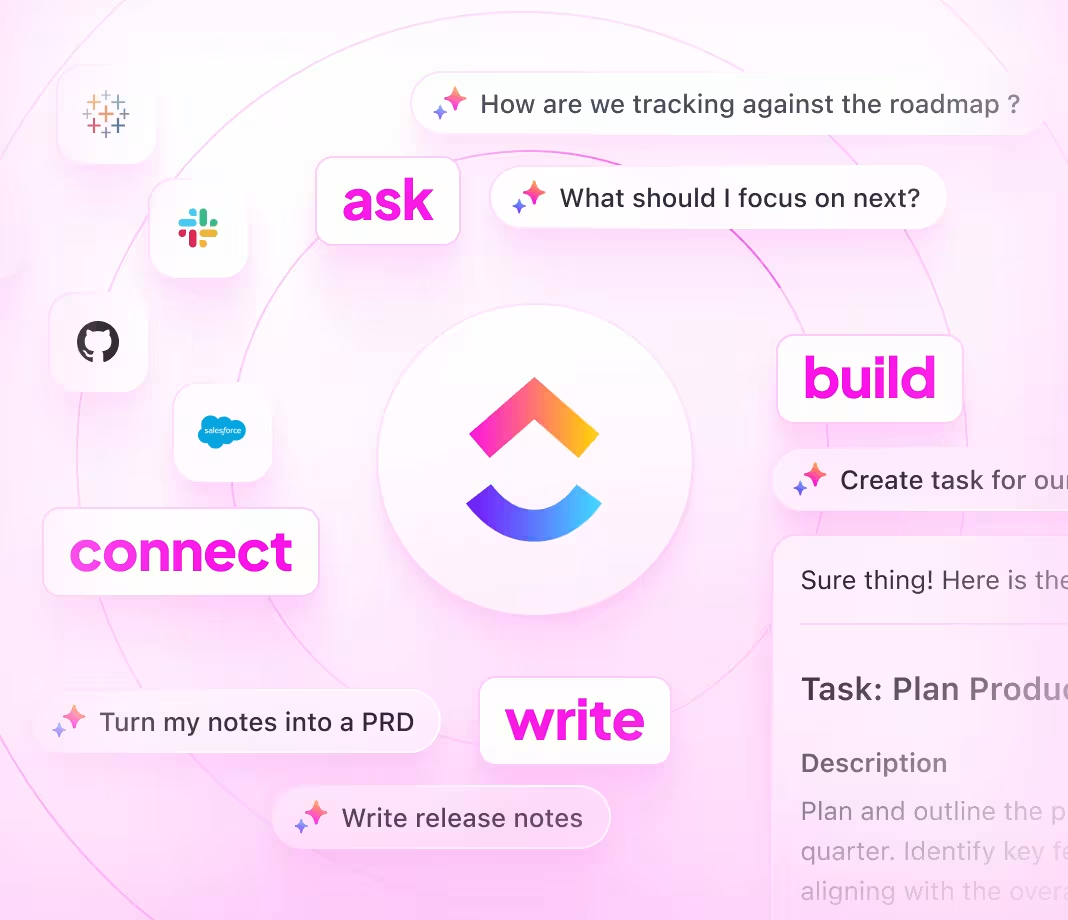
Harness ClickUp to Build Your Load Balancing Knowledge Repository
Maintain structured, accountable, and synchronized load balancing documentation with every system update.
Consistent Load Balancing Documentation with ClickUp Docs
- Sections like Algorithms, Configuration, Monitoring, Troubleshooting, and Change Logs
- Table of contents and nested pages for smooth navigation
- Uniform page formats for all load balancing techniques
Why it matters: Engineers locate solutions quickly, reducing downtime and misconfigurations.

Ownership and Progress Tracking for Documentation
- Convert documentation gaps into actionable tasks
- Assign owners, due dates, and review cycles
- Monitor documentation progress alongside operational work
Why it matters: Ensures your knowledge base reflects current best practices and system states.

Live Linkage Between Docs and System Changes
- Associate documentation updates with deployments, incident reports, and configuration changes
- Tie feedback and operational issues to knowledge base improvements
Why it matters: Documentation evolves with your infrastructure, preventing outdated guidance.

Your Load Balancing Knowledge Base Questions Answered




