ClickUp Library Cataloging Knowledge Base
Streamline Your Library Cataloging Knowledge Base
Create a centralized, searchable repository for classification systems, cataloging standards, metadata schemas, and workflow procedures—ensuring librarians access the most current and accurate information.
 25,000+ reviews from
Trusted by the best
ClickUp vs Traditional Cataloging Tools
How ClickUp elevates knowledge management for library cataloging systems
Consolidate your cataloging knowledge in one scalable platform.
Using traditional cataloging tools
- Knowledge scattered across spreadsheets, emails, and static documents
- Manual updates lead to outdated or inconsistent cataloging rules
- Limited collaboration impedes standardization
- Access permissions are rigid, causing duplication
- Time-consuming maintenance and version control
Using ClickUp for cataloging knowledge
- Integrates documentation, tasks, and discussions in one place
- Automate updates with linked workflows and task assignments
- Facilitate collaboration across cataloging, acquisitions, and IT teams
- Flexible permissions for internal staff and external partners
- Leverage ClickUp Brain and AI to accelerate content creation and maintenance
Building Your Cataloging Knowledge Base
How to create a knowledge base for library cataloging systems?
Follow these 6 steps to develop a structured, user-friendly, and maintainable knowledge base.
1. Identify your library’s cataloging stakeholders and objectives
- Define who will use the knowledge base (catalogers, librarians, IT staff)
- Clarify goals such as standardizing metadata, streamlining workflows, or training
- Assign ownership to ensure ongoing accuracy and updates
2. Develop a clear, hierarchical structure for cataloging knowledge
- Organize content by classification schemes, metadata standards, and procedures
- Include sections for MARC records, RDA guidelines, authority files, and digital cataloging
- Ensure easy navigation with tables of contents and subpages
3. Standardize documentation templates for consistent cataloging entries
- Use uniform formats for catalog records, authority data, and procedural guides
- Detail purpose, scope, workflows, and examples in each template
- Document exceptions and common challenges to reduce errors
4. Incorporate practical guides and troubleshooting resources
- Provide step-by-step instructions for cataloging tasks and system use
- Include solutions for frequent cataloging issues and data inconsistencies
- Centralize best practices for integration with digital platforms
5. Keep knowledge updated by linking to system updates and project workflows
- Connect documentation revisions to software upgrades, policy changes, and audits
- Treat knowledge base updates as part of project deliverables
- Use ClickUp Brain to monitor and suggest content refreshes
6. Secure access and maintain the knowledge base continuously
- Manage permissions for internal staff, external collaborators, and public access
- Regularly review and archive outdated materials
- Collect feedback to improve usability and coverage
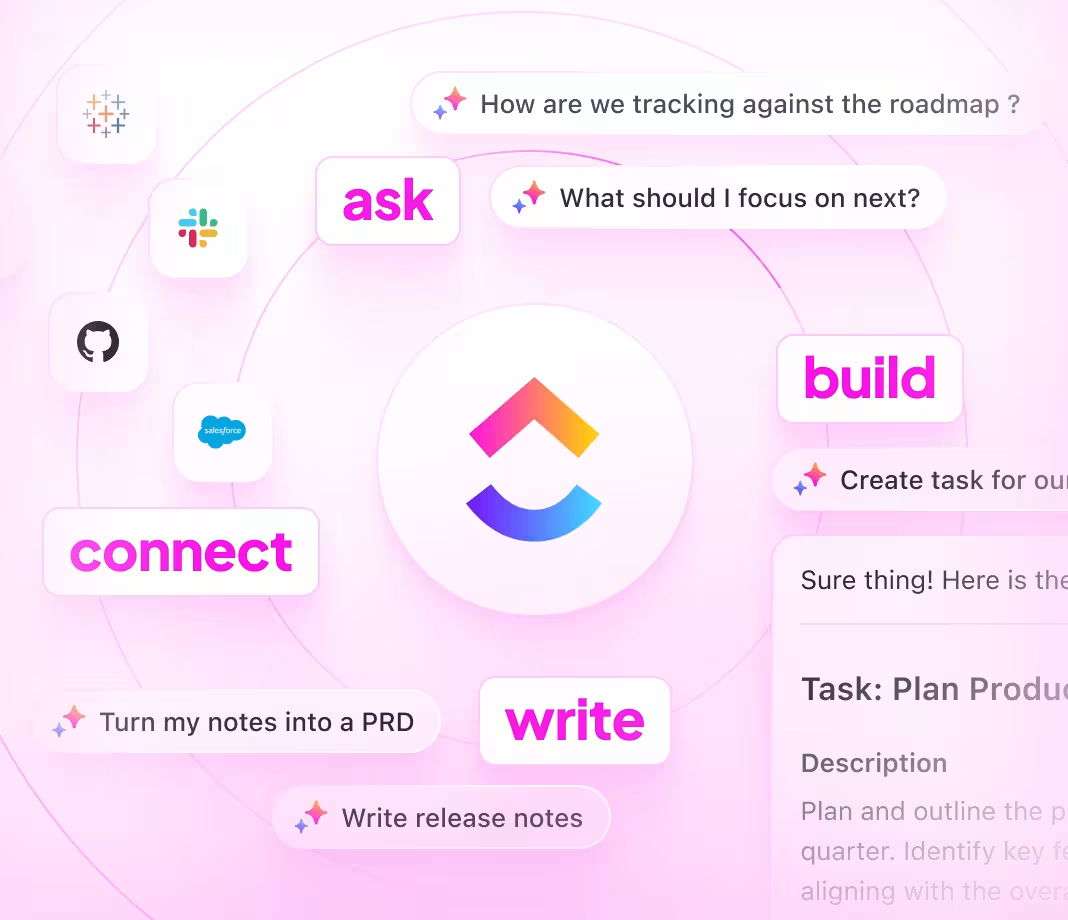
How ClickUp supports your cataloging knowledge base
Unlock seamless knowledge management for library cataloging
Maintain accuracy, ownership, and alignment with evolving cataloging standards and technologies.
Organize
Structured cataloging documentation with ClickUp Docs
- Classification systems, metadata standards, cataloging workflows, authority control
- Table of contents and nested subpages for intuitive navigation
- Standardized templates for catalog entries and procedure guides
Why it matters: Catalogers find consistent information quickly, reducing errors and duplication.

Assign
Clear ownership and task tracking
- Transform documentation gaps into actionable tasks
- Assign owners, set deadlines, and schedule regular reviews
- Manage documentation updates alongside cataloging projects
Why it matters: Ensures the knowledge base remains accurate and reliable over time.

Integrate
Documentation aligned with system updates and workflows
- Link cataloging guides to software upgrades, policy changes, and audit cycles
- Connect feedback and issue reports to knowledge base updates
- Use ClickUp Brain and Brain Max to automate content refresh recommendations
Why it matters: Keeps cataloging knowledge synchronized with operational changes.

ClickUp knowledge base for library cataloging
Frequently Asked Questions




SOC 2
CERTIFIED

ISO 27001
CERTIFIED

GDPR
COMPLIANT

HIPAA
COMPLIANT