
Build a Dynamic Knowledge Base for Legacy System Migration
Centralize critical migration data, system documentation, troubleshooting guides, and workflows—ensuring your team accesses up-to-date information throughout the transition.
 25,000+ reviews from
What sets ClickUp apart in legacy system migration knowledge management
Create one adaptable knowledge base that evolves with your migration project.
Challenges with traditional tools
- Fragmented knowledge slows decision-making and causes errors
- Manual updates lead to outdated migration procedures
- Documentation isolated from migration tasks and timelines
- Complex permissions create multiple document versions
- Time-intensive creation and maintenance processes
Advantages of ClickUp
- Integrate knowledge and migration tasks in one platform (Docs, tasks, comments)
- Turn documentation gaps into actionable tasks with owners and deadlines
- Link docs directly to migration milestones, issues, and system components
- Granular access controls for internal teams and external partners
- AI-powered features accelerate content creation, summaries, and troubleshooting
How to create a knowledge base tailored for legacy system migration
Follow this 6-step framework to maintain organized, searchable, and current migration documentation.
1. Identify stakeholders and migration knowledge objectives
- Determine primary users such as engineers, project managers, and support
- Map critical migration phases from data extraction to system validation
- Assign responsibility for ongoing documentation upkeep
2. Design a clear, modular knowledge base architecture
- Establish a centralized hub with intuitive navigation
- Segment core areas: legacy system overview, migration steps, troubleshooting, and rollback plans
- Include change logs and version history for transparency
3. Standardize documentation templates for consistency
- Apply uniform formats for system components and migration procedures
- Document objectives, prerequisites, step-by-step instructions, and contingency plans
- Incorporate error handling and recovery steps to minimize downtime
4. Enrich content with practical migration guides and issue resolutions
- Develop how-to guides for data mapping, system configuration, and validation
- Include common problem scenarios and their fixes
- Centralize monitoring and alerting protocols
5. Keep documentation aligned with migration progress
- Link documentation updates to migration sprints, issue tickets, and change requests
- Treat knowledge updates as integral to project workflows
- Ensure accuracy as legacy systems evolve or are decommissioned
6. Manage access and perform continuous reviews
- Implement role-based permissions for internal teams and external stakeholders
- Maintain logs of changes, deprecations, and lessons learned
- Gather feedback regularly to refine and improve documentation
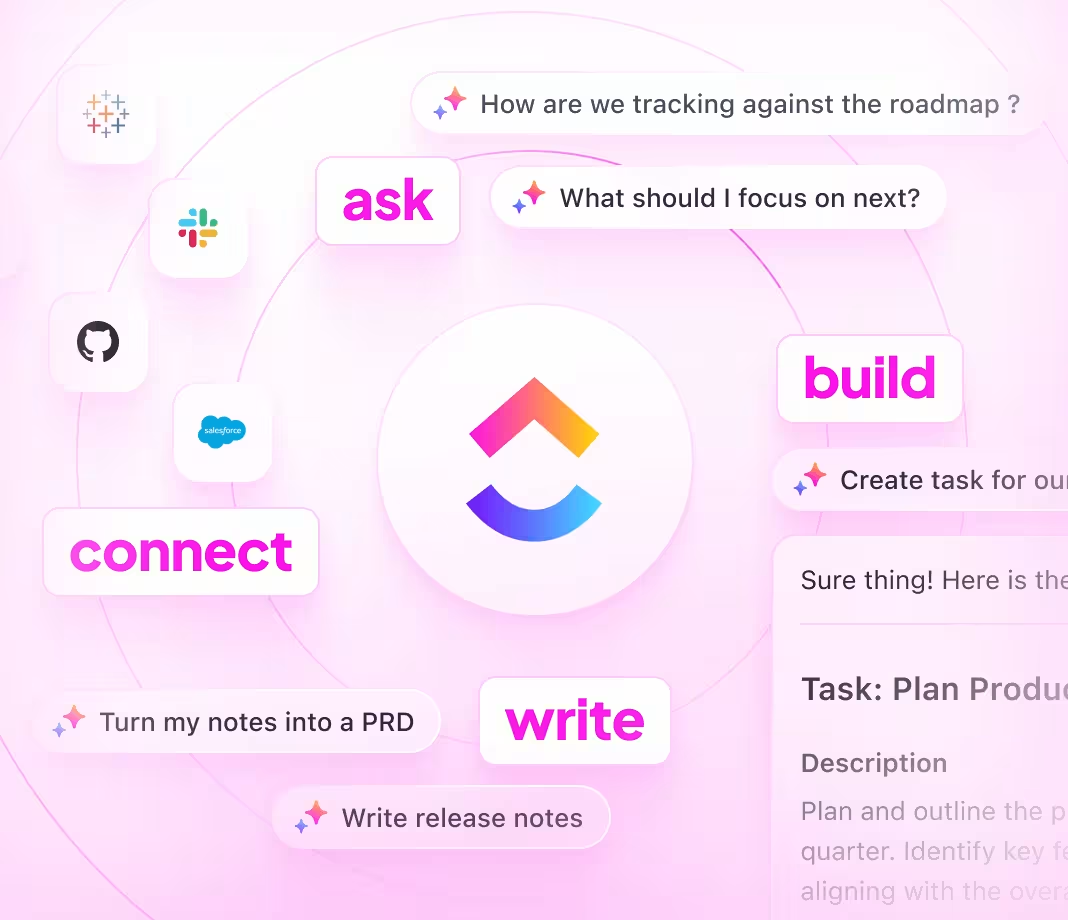
How ClickUp strengthens your legacy migration knowledge base
Harness ClickUp Docs, Brain, and Brain Max to create a living knowledge base that adapts with your migration journey.
Structured migration documentation with ClickUp Docs
- Legacy system inventories, migration workflows, troubleshooting, rollback plans
- Nested pages with tables of contents for easy navigation
- Consistent templates for system components and procedures
Why it matters: Teams find vital information quickly, reducing migration risks and delays.

Clear ownership and task integration
- Convert documentation gaps into assigned tasks
- Set owners, deadlines, and review cycles
- Track documentation alongside migration project tasks
Why it matters: Accountability ensures your knowledge base remains accurate and actionable.

Documentation synchronized with migration milestones
- Link docs to migration phases, issue reports, and change requests
- Connect post-migration reviews and incident analysis
- Incorporate stakeholder feedback and support tickets
Why it matters: Your knowledge base evolves in tandem with migration progress, avoiding outdated information.

Common Questions About Using ClickUp for Migration Knowledge




