Streamline Your Lean Six Sigma Knowledge Hub
Create an organized, searchable repository for methodologies, tools, case studies, and project data—keeping your Lean Six Sigma insights accessible and actionable for your entire team.
 25,000+ reviews from
Elevate Your Lean Six Sigma Knowledge Management with ClickUp
Unify your Lean Six Sigma resources in a single platform that grows with your process improvements.
Using conventional tools
- Disjointed knowledge scattered across spreadsheets and documents
- Updates depend on manual tracking and individual memory
- Process changes and learnings remain siloed
- Limited collaboration results in duplicated or outdated content
- Time-consuming manual documentation and revisions
Leveraging ClickUp for Lean Six Sigma
- Centralized knowledge base integrating Docs, tasks, and comments
- Convert improvement gaps into actionable tasks with ownership
- Link documentation directly to projects, audits, and results
- Granular permissions for cross-functional or stakeholder access
- AI-powered content creation, summarization, and troubleshooting accelerates updates
Transform How You Document Lean Six Sigma Practices
Follow this structured 6-step approach to develop a reliable, up-to-date knowledge base tailored to Lean Six Sigma.
1. Identify your stakeholders and knowledge objectives
- Determine who will access the knowledge base (process owners, analysts, operators)
- Map key Lean Six Sigma phases: Define, Measure, Analyze, Improve, Control
- Assign responsibility for knowledge maintenance
2. Design a clear, intuitive knowledge structure
- Organize content into DMAIC stages, tools, case studies, and metrics
- Include sections for standard work, templates, and training materials
- Ensure easy navigation with tables of contents and subpages
3. Standardize documentation templates for consistency
- Use repeatable formats for process maps, SIPOCs, FMEA, and control plans
- Cover objectives, inputs, outputs, and key metrics uniformly
- Reduce variability in documentation for easier comprehension
4. Incorporate practical guides and problem-solving resources
- Add step-by-step instructions for Lean Six Sigma tools usage
- Provide troubleshooting tips for common project challenges
- Centralize lessons learned and best practices
5. Keep documentation current by linking to project updates
- Connect knowledge base updates to ongoing improvement initiatives
- Track changes with versioning tied to project milestones
- Treat knowledge upkeep as an integral part of Lean Six Sigma cycle
6. Manage access and foster continuous improvement
- Configure permission levels for internal teams and external partners
- Regularly review and refresh content based on feedback and results
- Use ClickUp Brain to identify knowledge gaps and suggest updates
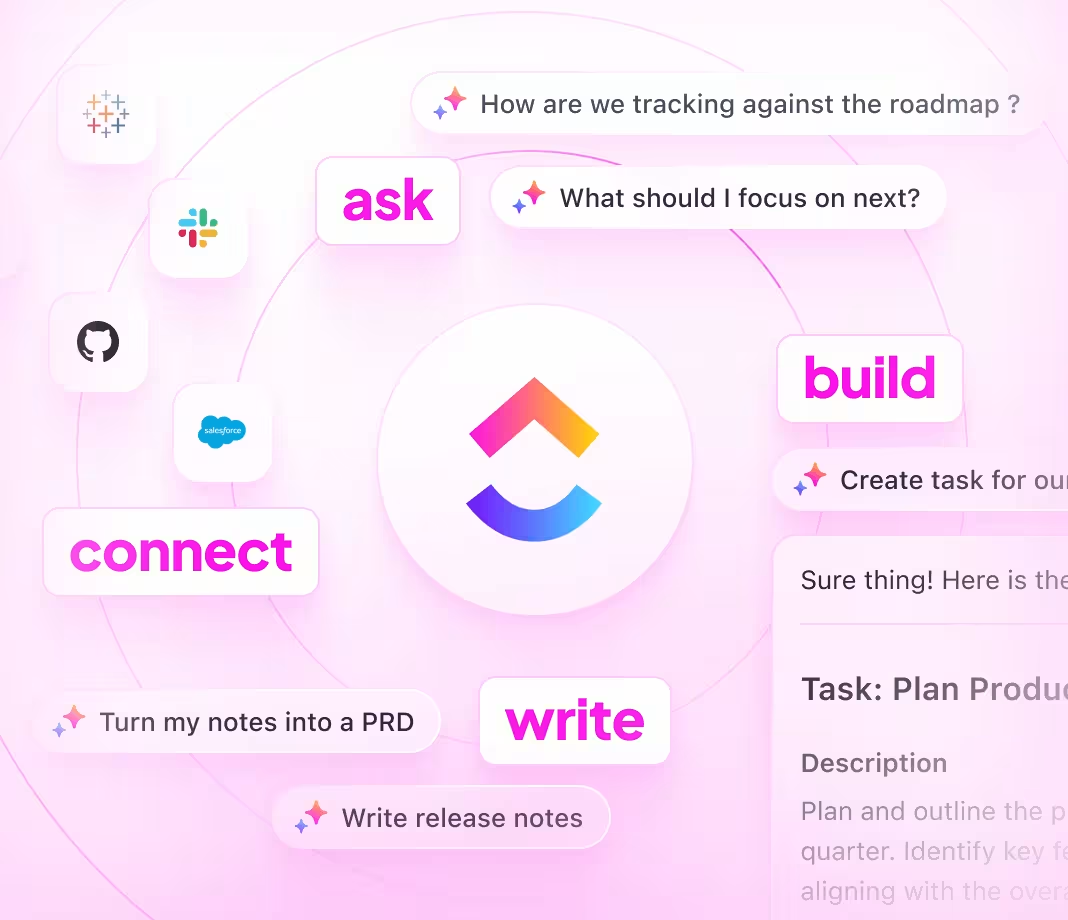
Unlock Lean Six Sigma Excellence with ClickUp's Knowledge Base
Ensure your Lean Six Sigma documentation is structured, assigned, and synchronized with every project cycle.
Structured Lean Six Sigma Documentation with ClickUp Docs
- DMAIC phases, tools, templates, case studies
- Table of contents plus subpages for smooth navigation
- Consistent documentation templates across projects
Why it matters: Teams find critical process information faster, reducing project delays and miscommunication.

Clear Ownership and Progress Tracking
- Convert knowledge gaps into tasks with assigned owners
- Set deadlines and establish review cycles
- Monitor documentation updates alongside project workflows
Why it matters: Accountability ensures your Lean Six Sigma knowledge base remains accurate and actionable.

Connect Documentation to Improvement Initiatives
- Link documents to project milestones, audits, and control plans
- Associate feedback, issues, and corrective actions to knowledge base entries
- Maintain alignment as processes evolve
Why it matters: Documentation stays relevant and supports data-driven decision-making.

Common Questions About Using ClickUp for Lean Six Sigma






