IT Change Management Knowledge Hub
Streamline Your IT Change Management Knowledge Base
Create a centralized, searchable repository for change requests, approvals, impact analyses, and post-implementation reviews—empowering your team with the latest insights and protocols.
 25,000+ reviews from
Trusted by the best
ClickUp vs Traditional IT Change Tools
Elevate IT Change Knowledge Management with ClickUp
Consolidate knowledge and action in one adaptive platform.
Traditional IT Change Management Tools
- Knowledge fragmented across emails, spreadsheets, and static docs
- Manual updates cause delays and outdated procedures
- Limited integration with change execution workflows
- Access controls lead to duplication and version conflicts
- Time-consuming documentation and review processes
Using ClickUp for IT Change Knowledge Base
- Unified hub combining knowledge, tasks, and collaboration
- Automate update workflows with AI-powered drafting and summarizing
- Directly link change docs to implementation tasks and incidents
- Granular permissions for stakeholders, teams, and external partners
- Real-time tracking of ownership, reviews, and change history
Building your IT change knowledge base
How to create a knowledge base tailored for IT change management?
Follow this 6-step framework to build a dynamic, accurate, and accessible knowledge repository.
1. Identify stakeholders and define change management objectives
- Determine users like change managers, approvers, and implementers
- Outline goals for knowledge sharing, compliance, and audit readiness
- Assign clear ownership to maintain content accuracy
2. Design a structured knowledge base layout
- Organize by change types, approval workflows, impact assessments, and rollback procedures
- Use nested sections for quick navigation and clarity
- Include FAQs, templates, and regulatory references
3. Standardize change request documentation templates
- Create consistent formats covering description, risk analysis, stakeholders, and timelines
- Ensure fields for approvals, testing, and backout plans are included
- Facilitate easy replication across change types to maintain uniformity
4. Incorporate practical guides and troubleshooting protocols
- Develop step-by-step procedures for common change scenarios
- Document incident response and escalation paths
- Centralize lessons learned and best practices
5. Keep knowledge base current by syncing with change cycles
- Link documentation updates to change tickets and deployment schedules
- Integrate with post-implementation reviews and audits
- Treat the knowledge base as a living resource aligned with operational changes
6. Enforce access controls and continuous improvement
- Set permissions for internal teams, auditors, and external vendors
- Schedule regular reviews using ClickUp Brain insights
- Collect feedback for ongoing refinement and compliance assurance
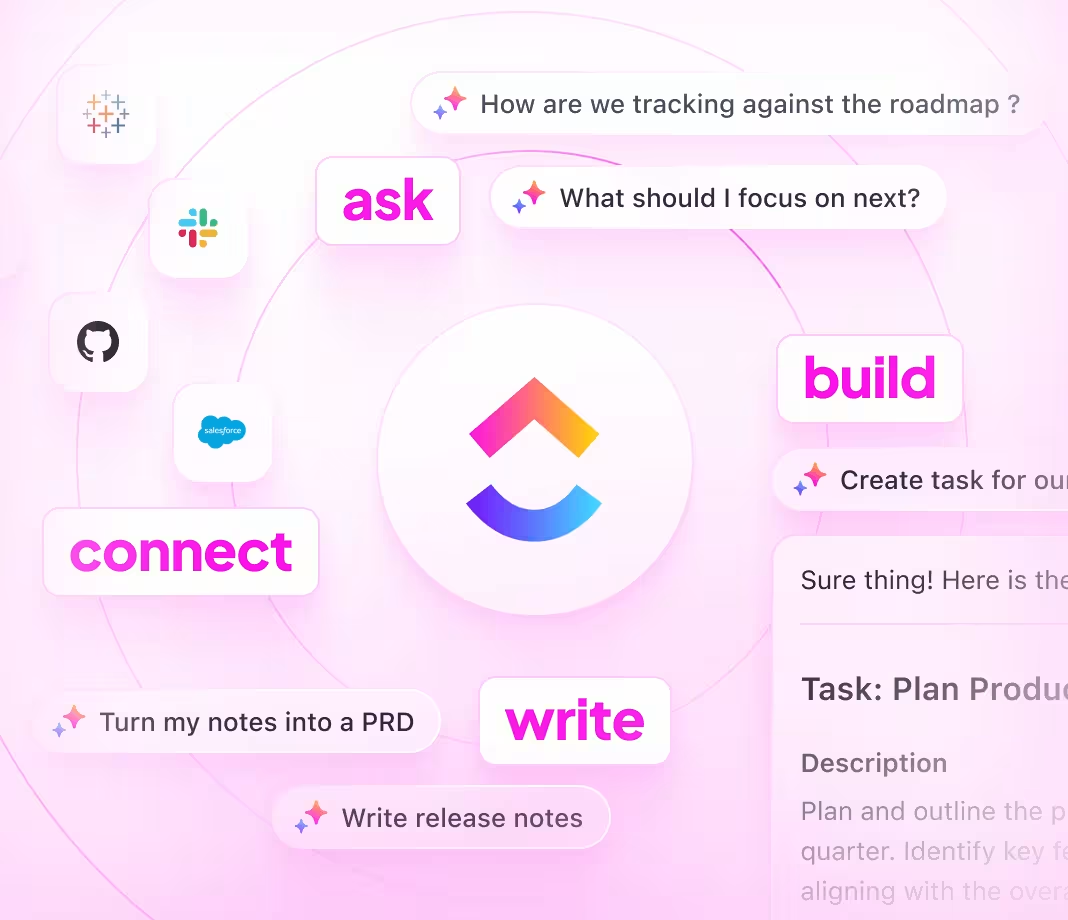
Harness ClickUp Capabilities for IT Change
Unlock the power of ClickUp for IT change management knowledge
Maintain structured, accountable, and up-to-date knowledge that drives smooth change implementations and audits.
Organize
Structured Knowledge with ClickUp Docs
- Define sections for Change Requests, Impact Analysis, Approvals, and Reviews
- Use subpages and tables of contents for intuitive navigation
- Apply uniform documentation templates to reduce errors
Why it matters: Teams locate precise information quickly, minimizing delays and miscommunications.

Manage
Accountable Ownership and Tracking
- Convert documentation gaps into assigned tasks with due dates
- Designate owners and reviewers for each knowledge section
- Monitor update cycles seamlessly alongside change tasks
Why it matters: Accountability ensures your knowledge base remains reliable and compliant over time.

Integrate
Knowledge Synced with Change Activities
- Link docs directly to change requests, approvals, and incidents
- Connect post-change reviews and audit findings
- Align documentation updates with real-world operational shifts
Why it matters: Your knowledge base reflects current practices, reducing risk and audit gaps.

FAQs on ClickUp for IT Change Knowledge
Common Questions About IT Change Knowledge Management




SOC 2
CERTIFIED

ISO 27001
CERTIFIED

GDPR
COMPLIANT

HIPAA
COMPLIANT