
Construct a Dynamic Knowledge Base for Internal Quality Scorecards
Centralize your quality standards, evaluation criteria, scorecard templates, and review guidelines into one accessible, searchable resource—ensuring your team delivers consistent quality assessments every time.
 25,000+ reviews from
Why ClickUp Transforms Internal Quality Scorecards Knowledge Management
Unify your quality insights and workflows in a single platform that grows with your team.
Using traditional tools
- Quality criteria scattered across multiple platforms, leading to outdated or inconsistent data
- Manual updates prone to delays and errors
- Scorecards disconnected from real-time performance data
- Access controls are rigid, resulting in duplicated documents
- Entire process requires manual tracking and coordination, slowing down quality reviews
Using ClickUp
- Integrates knowledge and execution through Docs, tasks, and comments
- Automatically convert documentation gaps into actionable tasks
- Connect scorecards directly to ongoing projects and performance metrics
- Flexible permission settings for internal teams and stakeholders
- AI-powered features accelerate drafting, summarizing, and troubleshooting
How to Develop a Knowledge Base for Internal Quality Scorecards
Follow this 6-step framework to create a structured, up-to-date, and actionable quality knowledge repository.
1. Identify your team’s quality assurance goals and users
- Define who will reference the scorecards (auditors, managers, teams)
- Outline the evaluation criteria and key performance indicators
- Assign responsibility for maintaining and updating the knowledge base
2. Design a clear, navigable knowledge base structure
- Create a centralized hub with intuitive navigation for quick access
- Organize sections like scorecard templates, evaluation standards, performance benchmarks, and review protocols
- Include changelogs and version histories for transparency
3. Standardize scorecard documentation for consistency
- Apply uniform templates covering purpose, metrics, scoring methods, and interpretation
- Document assessment processes and common quality issues
- Include examples and best practices to minimize ambiguity
4. Incorporate practical guides and troubleshooting resources
- Develop how-to guides for conducting evaluations and interpreting results
- Address frequent challenges and clarify scoring discrepancies
- Centralize corrective action procedures and escalation paths
5. Keep knowledge current by linking updates to quality initiatives
- Connect documentation revisions to audit cycles, improvement projects, and feedback loops
- Treat knowledge maintenance as an integral part of quality management
- Ensure the knowledge base reflects evolving standards and practices
6. Manage access and continuously improve the knowledge base
- Set role-based permissions for confidentiality and collaboration
- Monitor usage analytics and collect user feedback
- Schedule regular reviews to prevent knowledge decay
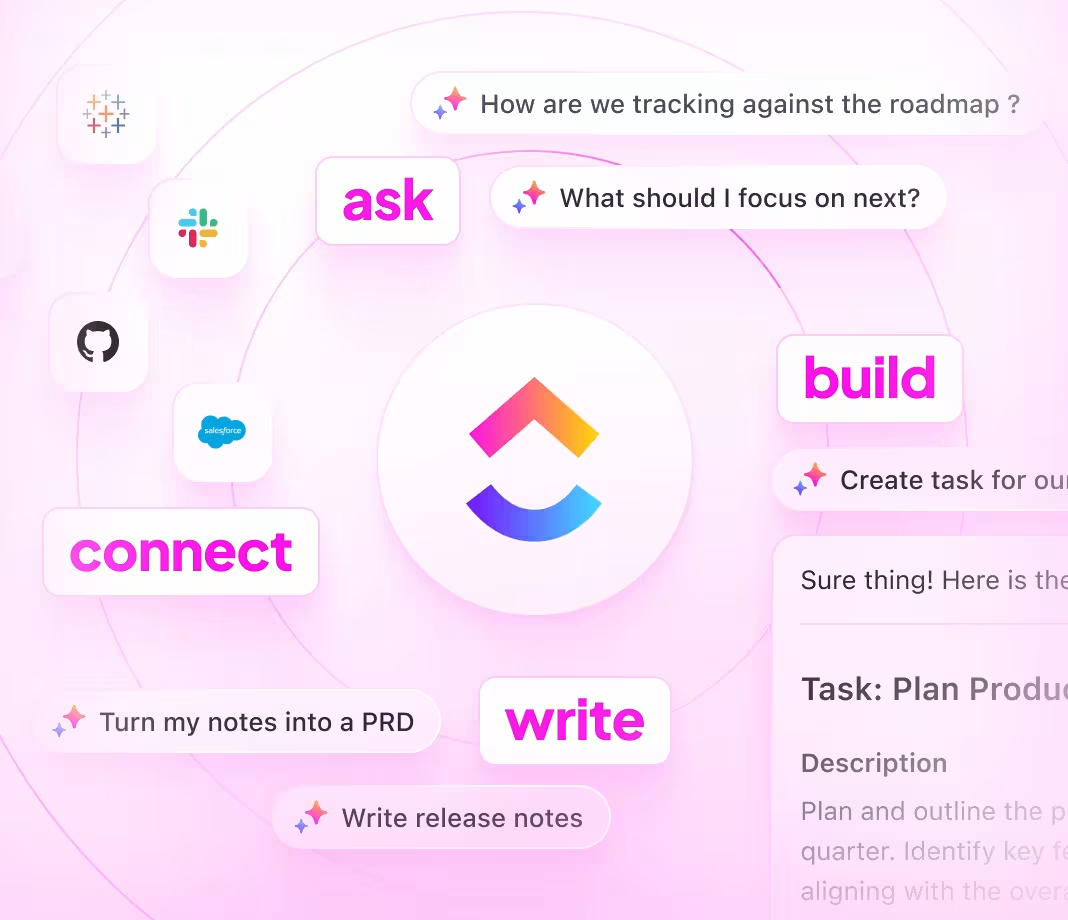
Unlock the Potential of ClickUp for Quality Knowledge Management
Keep your internal quality scorecard knowledge organized, accountable, and seamlessly integrated with your workflows.
Structured Quality Documentation with ClickUp Docs
- Scorecard templates, Evaluation criteria, Metrics definitions, Review checklists
- Table of contents plus nested subpages for effortless navigation
- Consistent formatting to reduce confusion
Why it matters: Teams can quickly find and apply quality standards without delays.

Transparent Ownership with ClickUp Tasks
- Identify gaps and assign follow-up tasks
- Set owners, deadlines, and review schedules
- Track documentation progress alongside quality initiatives
Why it matters: Accountability ensures your knowledge base stays relevant and trustworthy.

Integrated Documentation Linked to Quality Cycles
- Associate docs with audits, corrective actions, and continuous improvement projects
- Connect incidents and feedback to documentation updates
- Use AI to summarize findings and automate changelogs
Why it matters: Your knowledge base evolves in real-time with your quality management efforts.

Common Questions About Building a Quality Scorecard Knowledge Base




