
Internal Escalation Contacts Directory
Build a Unified Knowledge Base for Escalation Contacts
Create a centralized, searchable resource for internal escalation contacts—ensuring your team quickly finds the right expert when time is critical.
 25,000+ reviews from
Trusted by the best
ClickUp vs Traditional Methods
Why ClickUp Outperforms Traditional Escalation Contact Tools
Consolidate contacts and streamline escalation workflows in one scalable platform.
Traditional approaches
- Contacts scattered across emails, spreadsheets, and multiple apps
- Updates rely on memory and manual reminders
- Lack of integration with incident management tools
- Permissions cause duplication or outdated lists
- Manual maintenance leads to slow response times
Building Your Escalation Directory
How to create an internal escalation contacts knowledge base
Follow this 6-step process to ensure your escalation contacts are accurate, accessible, and actionable.
1. Identify key escalation roles and contacts
- Map out roles responsible for different incident types
- Collect multiple contact methods and backup personnel
- Assign clear ownership for directory maintenance
2. Design a clear, navigable directory structure
- Organize by department, incident severity, or expertise
- Use categories like technical, security, and facilities
- Enable quick search and filtering capabilities
3. Standardize contact entries for consistency
- Include name, role, contact info, escalation hours, and backup
- Use templates for uniform data capture
- Highlight response protocols and priorities
4. Integrate escalation contacts with incident workflows
- Link contacts to relevant incident response tasks
- Automate notifications and escalations based on triggers
- Provide context within tasks for faster resolution
5. Maintain the directory with ongoing reviews
- Schedule regular updates with contact owners
- Use ClickUp Brain to flag outdated or missing info
- Track changes and audit access logs
6. Control access and securely share the directory
- Set permissions for internal teams and external partners
- Ensure sensitive contacts are protected
- Enable easy sharing while maintaining compliance
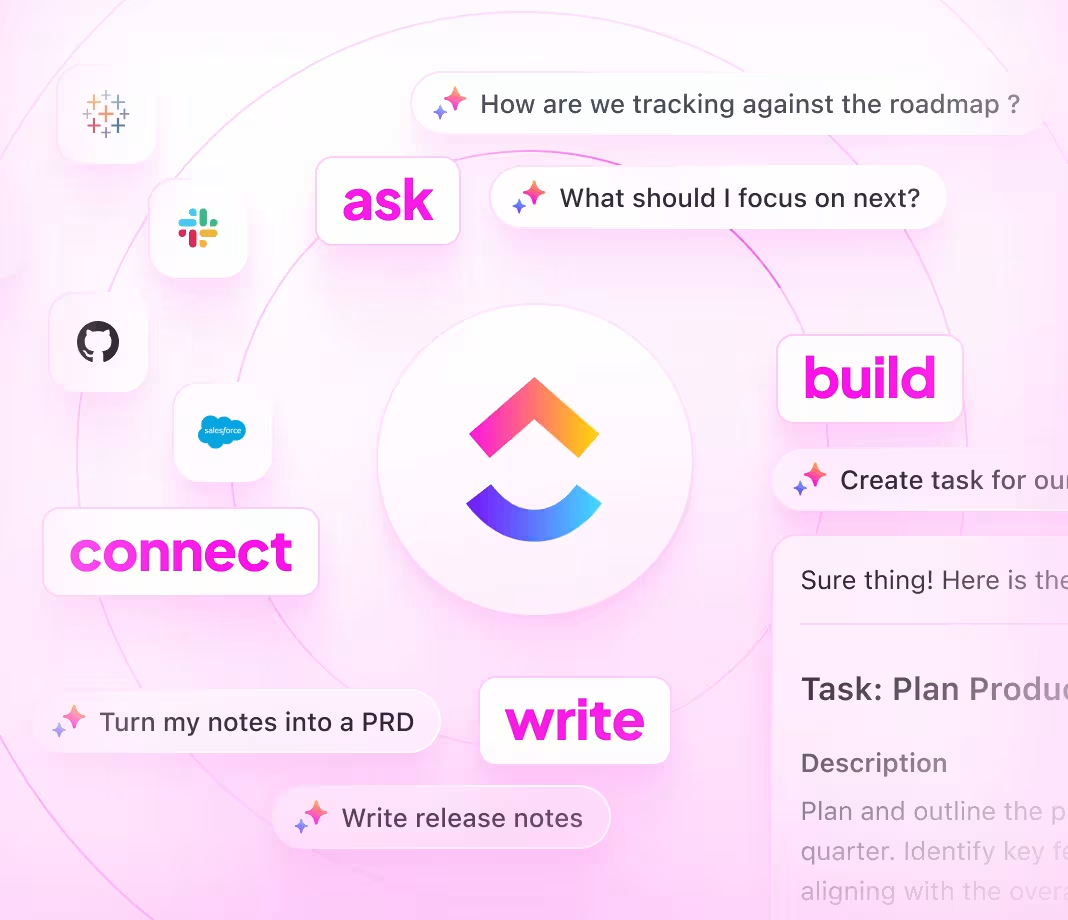
Leveraging ClickUp Capabilities
Harness ClickUp to build your escalation contacts knowledge base
Organize, update, and connect your internal escalation contacts with the power of ClickUp Brain, 4.0, and Brain Max.
Organize
Structured Escalation Directory with ClickUp Docs
- Centralized contact lists organized by roles and teams
- Nested pages and tables for easy navigation
- Consistent contact templates to avoid confusion
Why it matters: Teams find the right contact instantly, reducing downtime.

Manage
Accountability and Updates with Task Tracking
- Assign owners for each contact and escalation path
- Set reminders and review cycles with ClickUp 4.0
- Use tasks to track updates and approval workflows
Why it matters: Your directory stays current and trustworthy over time.

Connect
Integrated Escalation Workflows Powered by ClickUp Brain
- Link contacts directly to incident and escalation tasks
- Automate notifications and escalation chains
- Use AI to suggest contacts based on incident context
Why it matters: Faster resolution by connecting people to problems seamlessly.

Escalation Contacts Knowledge Base FAQs
Your Questions Answered


SOC 2
CERTIFIED

ISO 27001
CERTIFIED

GDPR
COMPLIANT

HIPAA
COMPLIANT