Integration Architecture Standards Hub
Streamline Your Knowledge Base for Integration Architecture Standards
Create a unified, searchable platform for integration protocols, data flows, compliance guidelines, and troubleshooting—ensuring your team accesses the most current standards effortlessly.
 25,000+ reviews from
Trusted by the best
ClickUp vs Traditional Solutions
Why Choose ClickUp for Building Your Integration Architecture Knowledge Base
Centralize knowledge and execution in one adaptable workspace.
With traditional tools
- Integration standards stored separately from project execution, causing version conflicts
- Updates depend on manual tracking and memory
- Documentation often disconnected from evolving architecture changes
- Access controls lead to multiple redundant copies for different teams
- Entirely manual: creation and updates are time-intensive
With ClickUp
- Combine knowledge assets with active project tasks, comments, and updates
- Automatically convert documentation gaps into actionable tasks
- Link integration standards directly to architecture changes, incidents, and deployments
- Granular access management for internal teams, partners, and clients
- AI-enhanced workflows accelerate drafting, summarization, and error analysis
Steps to build your knowledge base
How to Build a Knowledge Base for Integration Architecture Standards
Follow this 6-step framework to maintain a structured, searchable, and evolving knowledge repository.
1. Identify your stakeholders and define knowledge objectives
- Determine who relies on integration standards (architects, developers, partners)
- Map critical integration workflows and compliance requirements
- Assign stewardship roles to ensure ongoing accuracy
2. Design a clear knowledge base structure
- Establish a single source of truth with intuitive navigation
- Organize content into key domains: protocols, data schemas, security policies, error handling
- Keep change logs and version histories readily accessible
3. Standardize documentation templates for consistent entries
- Develop reusable formats for protocol definitions, interface specifications, and data mappings
- Include sections for purpose, scope, configuration, validation, and troubleshooting
- Address edge cases to minimize recurring support issues
4. Incorporate practical guides and diagnostic procedures
- Document integration scenarios and common implementation patterns
- Add step-by-step troubleshooting and error resolution workflows
- Centralize webhook configurations, retries, and best practice recommendations
5. Maintain synchronization by linking docs with implementation cycles
- Connect updates to architecture releases, incident reports, and change requests
- Embed documentation updates into deployment processes
- Ensure the knowledge base evolves with your integration landscape
6. Implement access controls and continuous governance
- Define permissions for internal teams, external partners, and public audiences
- Regularly review and update policies, deprecations, and migration paths
- Collect user feedback and schedule periodic audits to prevent knowledge decay
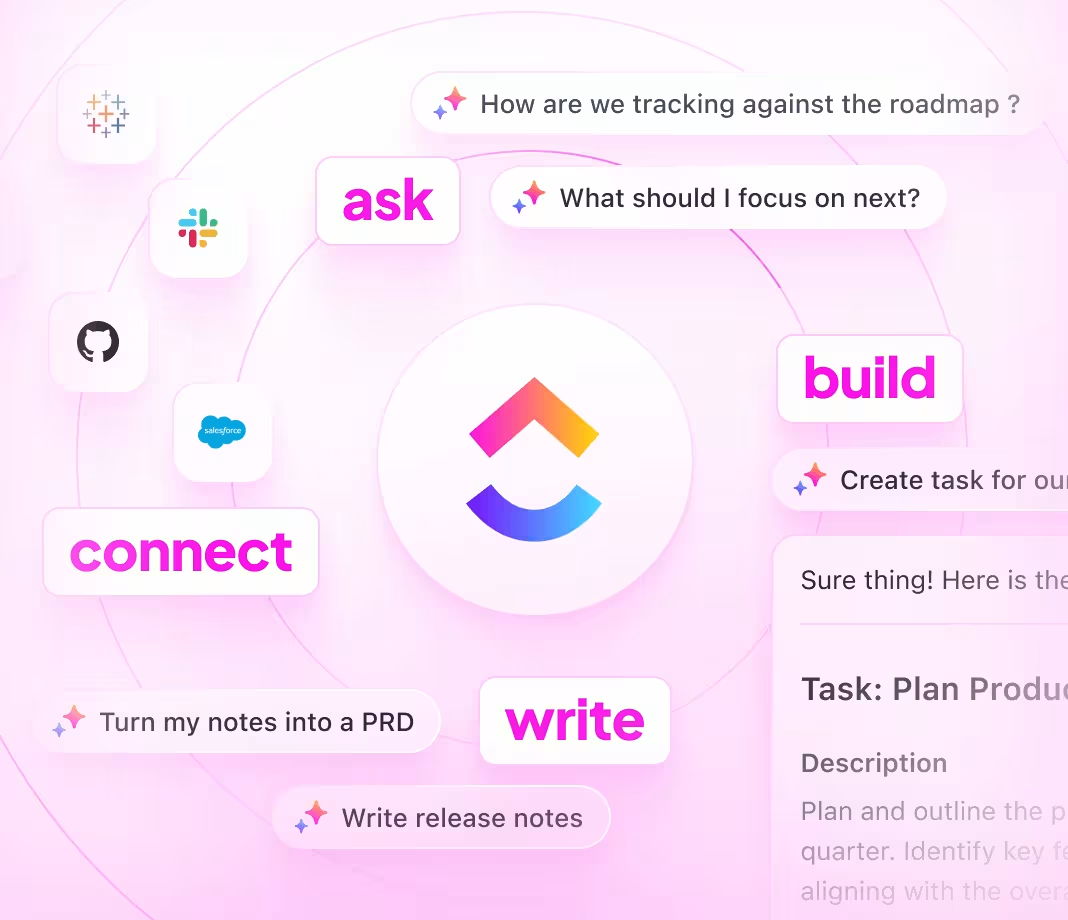
Impact of ClickUp Knowledge Base
Unlock the Power of ClickUp for Integration Standards Knowledge Management
Ensure your integration standards are systematically structured, owned, and updated in harmony with every project milestone.
Organize
Structured Standards Documentation with ClickUp Docs
- Protocol specifications, Data mappings, Security policies, Error handling
- Table of contents with nested subpages for easy navigation
- Uniform templates for each integration component
Why it matters: Your team finds precise information quickly, reducing errors and rework.

Accountability
Transparent Documentation Ownership and Progress Tracking
- Turn knowledge gaps into actionable tasks
- Assign owners, set deadlines, and establish review cycles
- Manage documentation efforts alongside development work
Why it matters: Consistent updates with clear responsibility prevent knowledge stagnation.

Synchronize
Documentation Linked Directly to Integration Releases
- Associate standards updates with deployment cycles and change requests
- Connect incidents, bug reports, and postmortems to documentation
- Integrate feedback loops from support and engineering teams
Why it matters: Your knowledge base evolves seamlessly with your integration environment.

ClickUp for Integration Architecture Knowledge Base
Common Questions Answered




SOC 2
CERTIFIED

ISO 27001
CERTIFIED

GDPR
COMPLIANT

HIPAA
COMPLIANT