
Streamline Incident Knowledge with ClickUp
Create a centralized, searchable knowledge base for incident protocols, root cause analyses, response playbooks, and postmortem insights—so your team resolves issues faster and more confidently.
 25,000+ reviews from
Why ClickUp Elevates Incident Management Knowledge Bases
Unify knowledge and action in a single platform designed for incident response.
Traditional Incident Management Tools
- Incident knowledge scattered across emails and docs leads to outdated info
- Manual updates cause delays and miscommunication
- Lack of integration between knowledge and incident workflows
- Rigid permission models create duplicated or inaccessible content
- Time-consuming manual documentation and follow-ups
Using ClickUp for Incident Knowledge
- Consolidates knowledge and execution (Docs, tasks, comments) in one place
- Automatically converts knowledge gaps into assigned action items
- Links incident docs directly to response tasks and postmortems
- Flexible access controls for internal teams and external partners
- AI-powered drafting, summarizing, and troubleshooting accelerates updates
How to craft an incident management knowledge base in ClickUp
Follow these 6 steps to keep your incident knowledge organized, actionable, and current.
1. Identify stakeholders and define incident knowledge objectives
- Pinpoint responders, analysts, and stakeholders who rely on the knowledge base
- Outline key incident types, workflows, and response goals
- Assign ownership for continuous knowledge maintenance
2. Design a clear, navigable knowledge base structure
- Build sections for incident types, escalation policies, runbooks, and postmortems
- Use intuitive navigation with tables of contents and subpages
- Include areas for lessons learned and continuous improvement
3. Standardize documentation templates for consistency
- Use uniform templates for incident reports, response checklists, and root cause analyses
- Cover key details: incident description, impact, mitigation steps, and outcomes
- Ensure uniformity to speed comprehension and reduce errors
4. Incorporate real-world scenarios and troubleshooting guides
- Document common incident triggers and diagnostic procedures
- Provide step-by-step remediation guides and escalation paths
- Centralize knowledge for rapid response and reduced downtime
5. Tie knowledge updates to live incident workflows
- Link documentation edits to incident tickets, alerts, and postmortem tasks
- Treat knowledge updates as part of incident resolution, not afterthoughts
- Keep knowledge base aligned with evolving operational realities
6. Manage permissions and review cycles to keep content fresh
- Set access levels for responders, managers, and external partners
- Schedule regular reviews and updates tied to incident retrospectives
- Collect feedback to continuously improve knowledge accuracy
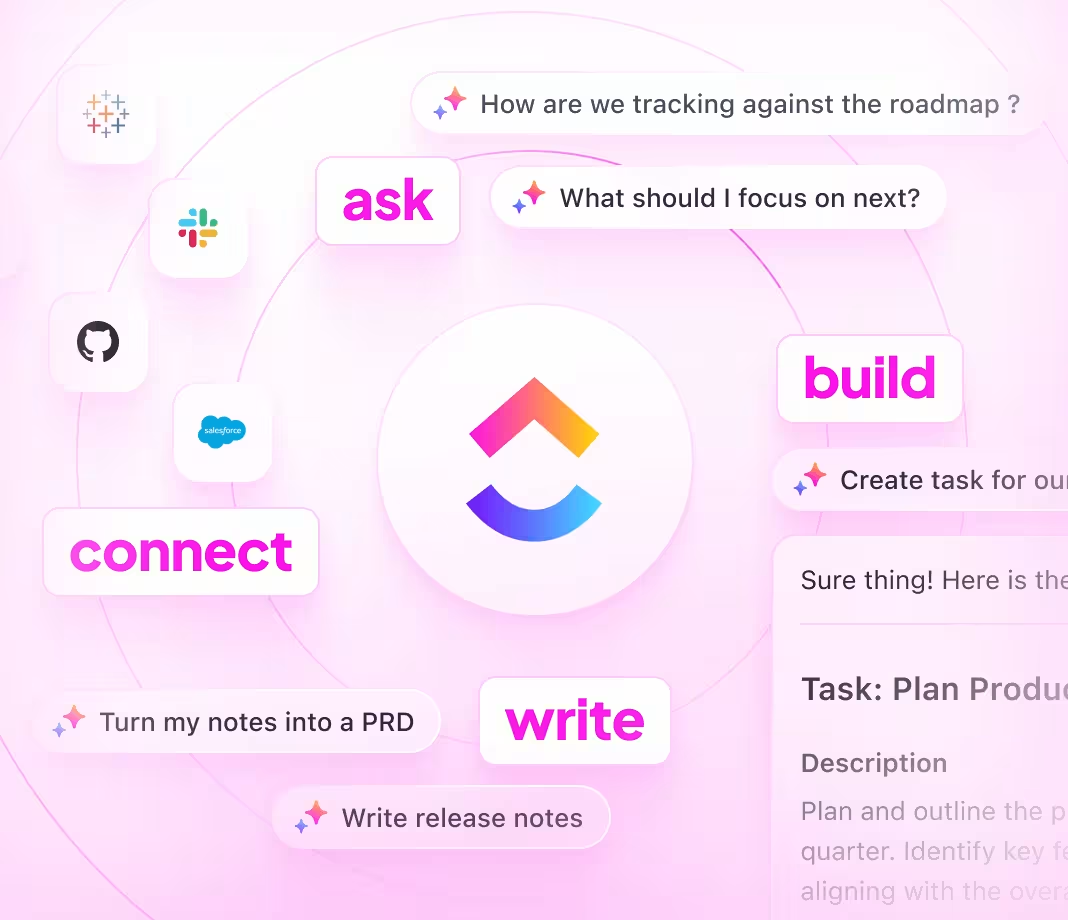
Unlock Incident Knowledge Efficiency with ClickUp
Harness ClickUp's integrated Docs, tasks, and AI features to create a knowledge base that evolves with every incident and keeps your team aligned.
Structured Incident Documentation with ClickUp Docs
- Incident types, escalation procedures, response playbooks, postmortems
- Tables of contents and nested pages for easy navigation
- Uniform incident report and runbook templates
Why it matters: Responders find critical information fast, reducing resolution times.

Clear Ownership and Tracking for Incident Knowledge
- Convert documentation gaps into actionable tasks
- Assign owners, set deadlines, and schedule review cycles
- Track knowledge base updates alongside incident workflows
Why it matters: Ensures your knowledge stays accurate and dependable when it matters most.

Incident Knowledge Connected to Real-Time Operations
- Link documentation to incident tickets, alerts, and postmortem analyses
- Connect feedback and support insights directly to knowledge updates
- Use ClickUp AI to summarize incidents and generate updated protocols
Why it matters: Your knowledge base evolves dynamically with your incident response ecosystem.

Your Questions About Incident Knowledge in ClickUp Answered




