
Build a Dynamic Knowledge Base for Human Rights Advocacy
Create a centralized, searchable platform for case files, legal precedents, reports, and campaign resources—so advocates always access the most current information.
 25,000+ reviews from
Why ClickUp Transforms Knowledge Management for Human Rights Advocacy
Unify your resources and actions in one scalable workspace.
Traditional approaches
- Information scattered across emails, documents, and spreadsheets
- Updates depend on manual follow-ups and memory
- Disconnected from ongoing advocacy efforts
- Complex permission settings lead to duplicated resources
- Manual processes slow down knowledge sharing and responsiveness
Using ClickUp
- Centralizes knowledge alongside tasks, discussions, and updates
- Turns knowledge gaps into actionable tasks automatically
- Links resources directly with campaigns, incidents, and reports
- Granular permission controls for internal teams, partners, and public access
- AI-enhanced drafting, summarizing, and troubleshooting accelerate workflows
Steps to Build Your Human Rights Advocacy Knowledge Base
Follow this 6-step framework to maintain an organized, accessible, and evolving knowledge repository.
1. Identify your advocacy stakeholders and knowledge objectives
- Understand who will use the knowledge base (advocates, legal teams, partners)
- Define goals such as case tracking, precedent sharing, or public education
- Assign content ownership to ensure accountability and consistency
2. Develop a clear and intuitive knowledge base structure
- Create a unified platform with easy navigation for reports, laws, case studies
- Include core categories like legal frameworks, incident reports, campaign materials, and FAQs
- Make updates and historical records easy to locate
3. Standardize resource pages for consistent and reliable information
- Establish templates for cases, laws, guidelines, and advocacy tools
- Cover purpose, context, key contacts, and relevant documents
- Include notes on challenges and outcomes to aid learning
4. Incorporate practical guides and troubleshooting for advocates
- Develop how-to resources for advocacy strategies and legal processes
- Provide solutions for common challenges and barriers
- Centralize communication protocols and escalation procedures
5. Keep knowledge current by linking updates to advocacy activities
- Connect documentation changes to new cases, policy shifts, or incident responses
- Integrate feedback loops from field teams and partners
- Treat knowledge upkeep as part of ongoing advocacy efforts
6. Manage access and sustain the knowledge base over time
- Set permissions for internal teams, collaborators, and public audiences
- Maintain version histories, impact assessments, and update logs
- Solicit regular input and review to prevent information obsolescence
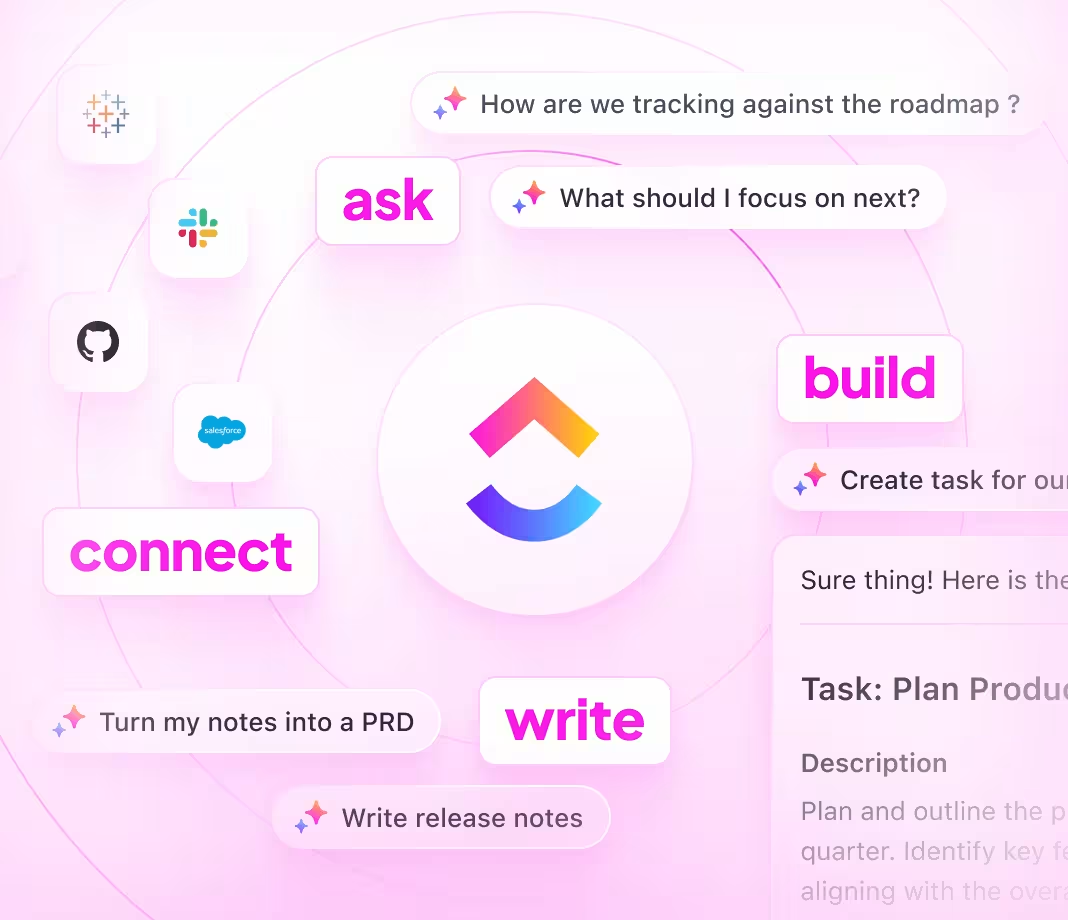
How ClickUp Supports Human Rights Advocacy Knowledge Management
Keep case files, legal resources, and campaign information structured, accountable, and synchronized across your advocacy efforts.
Comprehensive Knowledge Structuring with ClickUp Docs
- Case archives, Legal precedents, Incident reports, Campaign strategies, FAQs
- Nested pages and table of contents for straightforward navigation
- Standardized templates for consistency across all documentation
Why it matters: Advocates find critical information swiftly, reducing delays in action and response.

Clear Ownership and Progress Tracking
- Convert knowledge gaps into assigned tasks
- Designate responsible advocates or teams with deadlines and review cycles
- Monitor knowledge base upkeep alongside advocacy workflows
Why it matters: Accountability ensures your knowledge remains current and reliable for impactful advocacy.

Link Knowledge Directly to Advocacy Initiatives
- Connect documents to campaigns, legal actions, and incident responses
- Attach feedback, support queries, and updates to relevant resources
- Use ClickUp Brain and Brain Max to synthesize insights and summarize complex data
Why it matters: Keeping knowledge aligned with real-world actions enhances agility and informed decision-making.

Common Questions About Using ClickUp for Advocacy




