High Availability Systems Knowledge Hub
Construct a Resilient Knowledge Base for High Availability Systems
Centralize critical system architectures, failover protocols, monitoring procedures, and incident responses in one searchable platform—empowering your team with up-to-date operational clarity.
 25,000+ reviews from
Trusted by the best
ClickUp vs Traditional Tools
Why ClickUp Excels for High Availability Systems Knowledge Management
Unify your system documentation and operational tasks seamlessly.
Traditional Approaches
- Documentation isolated from operational workflows leads to outdated or overlooked information
- Manual updates increase risk of errors during critical incidents
- Change management and incident logs are disconnected from knowledge
- Permissions complicate access and cause duplication across teams
- Processes are fragmented and time-consuming to maintain
Leveraging ClickUp
- Integrates documentation with execution (Docs, tasks, comments in one place)
- Identifies documentation gaps as actionable tasks
- Links knowledge base to incident reports, system changes, and maintenance
- Granular access controls for internal teams and stakeholders
- AI-powered drafting, summarizing, and troubleshooting accelerate updates
Knowledge Base Creation Blueprint
Steps to Build a Knowledge Base for High Availability Systems
Follow this 6-step approach to maintain structured, accurate, and accessible system knowledge.
1. Define Stakeholders and System Objectives
- Identify key users: engineers, on-call teams, support
- Map critical systems and availability goals
- Assign knowledge ownership to ensure accountability
2. Establish a Clear Knowledge Base Framework
- Create a centralized hub with intuitive navigation
- Include sections like system architecture, failover strategies, monitoring, and incident management
- Maintain logs for system changes and deprecations
3. Standardize Documentation Templates
- Use consistent formats for system components and procedures
- Document failover processes, dependencies, and recovery steps
- Include troubleshooting and escalation protocols
4. Incorporate Operational Guides and Incident Playbooks
- Develop runbooks for common failure scenarios
- Detail monitoring alerts and response workflows
- Centralize incident reporting and root cause analysis
5. Synchronize Documentation with System Updates
- Link documentation updates to deployments and configuration changes
- Treat knowledge base maintenance as part of system operations
- Ensure accuracy as systems evolve
6. Control Access and Continuously Improve
- Configure permissions for internal teams, partners, and auditors
- Regularly review and refine documentation
- Gather feedback to prevent knowledge gaps
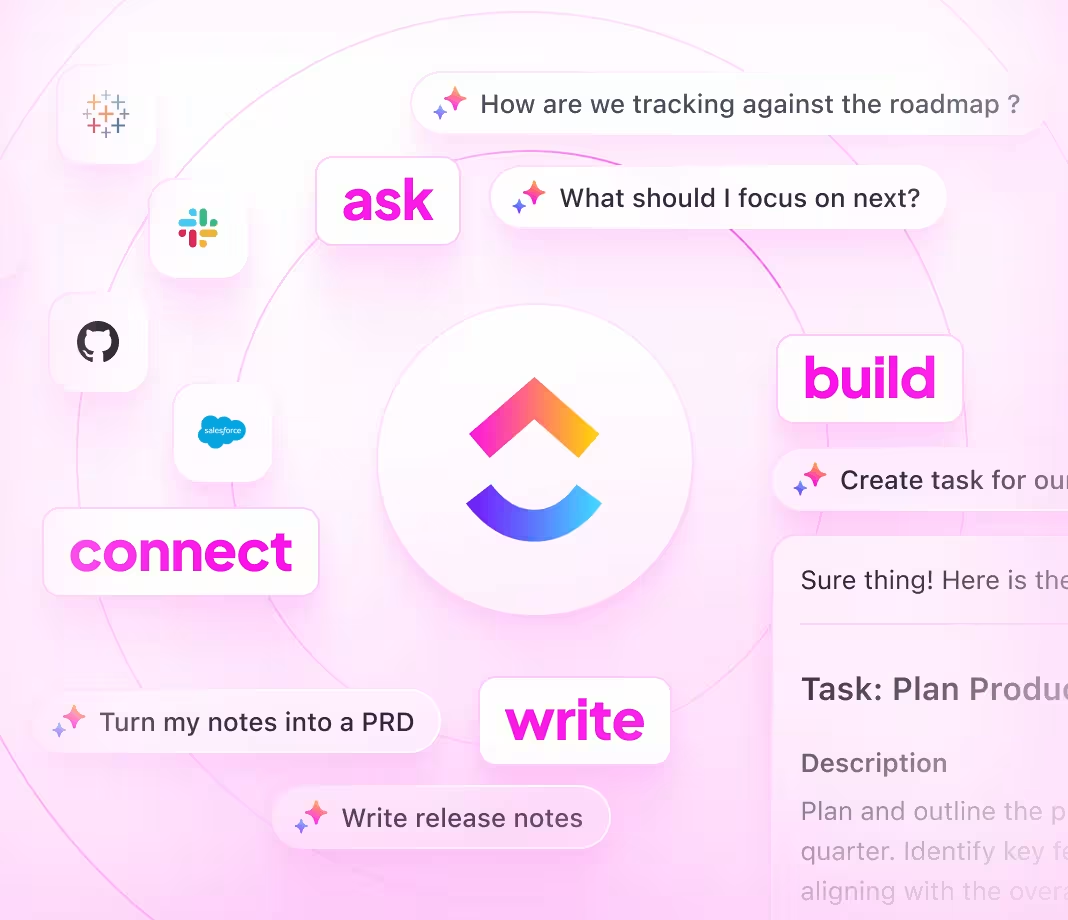
The Power of ClickUp Knowledge Management
Harness ClickUp to Build Your High Availability Knowledge Base
Ensure your system documentation is structured, owned, and continuously aligned with every deployment and incident.
Organize
Comprehensive Documentation with ClickUp Docs
- System architecture, Failover procedures, Monitoring guidelines, Incident workflows
- Table of contents with nested subpages for easy navigation
- Uniform templates for system components and processes
Why it matters: Engineers access precise information swiftly, reducing downtime and confusion.

Accountability
Clear Ownership and Progress Tracking
- Convert documentation gaps into assigned tasks
- Assign owners, set deadlines, and schedule reviews
- Monitor documentation efforts alongside operational projects
Why it matters: Knowledge base remains current because responsibility is embedded.

Integration
Linking Documentation to System Operations
- Connect docs to deployments, incidents, and change management
- Integrate bug reports, postmortems, and feedback loops
- Close the loop between system changes and knowledge updates
Why it matters: Documentation evolves in tandem with your infrastructure.

ClickUp High Availability Knowledge Base FAQs
Your Questions About Managing High Availability Knowledge




SOC 2
CERTIFIED

ISO 27001
CERTIFIED

GDPR
COMPLIANT

HIPAA
COMPLIANT