ClickUp Geological Survey Knowledge Hub
Build a Robust Knowledge Base for Geological Survey Data
Create a centralized, searchable repository for survey reports, geological maps, drill logs, mineral data, and analysis—ensuring your geoscience team accesses the most current insights.
 25,000+ reviews from
Trusted by the best
Comparing ClickUp to Traditional Systems
Why ClickUp Outperforms Legacy Tools for Geological Data Management
Develop a unified platform that adapts as your geological projects evolve.
Traditional Geological Data Tools
- Disparate files and notes cause data silos and version confusion
- Manual updates increase errors and delay insights
- Limited collaboration across field teams and analysts
- Rigid access controls complicate data sharing
- Time-consuming documentation and reporting processes
Leveraging ClickUp for Geological Survey Knowledge
- Integrates raw data, reports, and tasks in one workspace
- Automates data updates and links to field activities
- Facilitates real-time collaboration with geologists and engineers
- Granular permissions for internal and external stakeholders
- AI-assisted summarization and data interpretation accelerate workflows
Steps to Build Your Geological Survey Knowledge Base
How to Create a Geological Data Knowledge Hub with ClickUp
Follow this 6-step approach to structure, maintain, and optimize your geological data repository.
1. Identify your stakeholders and data objectives
- Define who needs access: geologists, engineers, managers
- Map key data flows: from field collection to analysis and reporting
- Assign data stewards to oversee accuracy and updates
2. Design a clear knowledge base hierarchy
- Organize by survey type, location, and data format
- Include core sections: geological maps, sample logs, analysis reports
- Maintain changelogs for data revisions and interpretations
3. Standardize data entry and documentation templates
- Use consistent formats for drill logs, sample descriptions, and metadata
- Document methodologies, equipment used, and coordinate systems
- Capture anomalies and quality control notes to reduce rework
4. Incorporate practical guides and troubleshooting protocols
- Develop how-to guides for data collection and processing
- Include troubleshooting for common field issues and sensor errors
- Centralize safety procedures and compliance documentation
5. Synchronize data updates with project milestones
- Link knowledge base updates to survey phases and reporting deadlines
- Coordinate revisions with incident reports and field notes
- Treat documentation as integral to project delivery, not an afterthought
6. Manage access and perform regular audits
- Set permissions for internal teams, contractors, and partners
- Review data accuracy and update cycles periodically
- Gather feedback to improve knowledge base usability and completeness
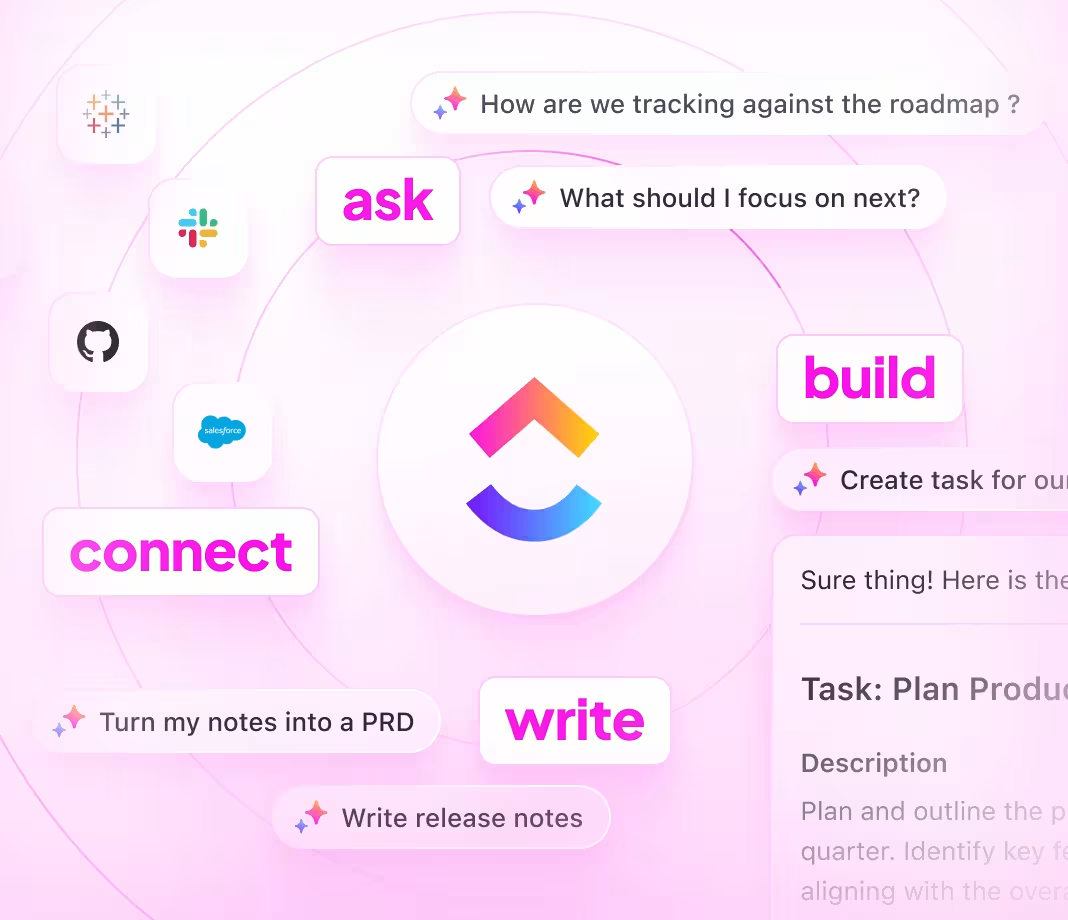
The Role of ClickUp in Geological Data Management
Unlock Geological Insights with ClickUp Knowledge Base
Keep survey data structured, accountable, and synchronized with every project update.
Organize
Structured Geological Survey Data with ClickUp Docs
- Sections for maps, drill logs, mineral analyses, and field notes
- Table of contents plus nested pages for intuitive navigation
- Standardized templates for consistent data capture
Why it matters: Teams find critical data quickly, reducing delays and errors.

Assign
Clear Ownership and Trackable Updates
- Convert data gaps into actionable tasks
- Assign ownership with deadlines and review cycles
- Monitor knowledge base updates like project deliverables
Why it matters: Accountability ensures your data repository stays current and trustworthy.

Connect
Link Documentation to Field Operations and Releases
- Associate documents with survey phases and equipment logs
- Integrate incident reports and data corrections
- Tie feedback from field teams directly to documentation
Why it matters: Data evolves with ongoing work, keeping your knowledge base relevant.

ClickUp for Geological Survey Knowledge
Common Questions About Geological Data Management




SOC 2
CERTIFIED

ISO 27001
CERTIFIED

GDPR
COMPLIANT

HIPAA
COMPLIANT