
Functional Requirements Knowledge Hub
Build a Centralized Knowledge Base for Functional Requirements
Create a unified, searchable space for specifications, workflows, acceptance criteria, and updates—ensuring your team accesses the latest functional requirements effortlessly.
 25,000+ reviews from
Trusted by the best
ClickUp vs Traditional Approaches
Why ClickUp Outperforms Traditional Tools for Functional Requirements Documentation
Develop a single source of truth that evolves with your project.
Traditional methods
- Functional specs scattered across emails and docs
- Manual updates cause version conflicts
- Lack of integration with project tasks
- Difficulties managing permissions across teams
- Time-intensive creation and revision cycles
Building Your Knowledge Base
Steps to Create a Functional Requirements Knowledge Base
Follow this 6-step framework to organize, maintain, and scale your requirements efficiently.
1. Identify stakeholders and define documentation objectives
- Determine who uses the functional specs (developers, testers, product owners)
- Outline goals such as clarity, accessibility, and traceability
- Assign ownership to maintain consistency and accountability
2. Design a logical structure for your functional requirements
- Develop a centralized hub with intuitive navigation
- Segment by features, user stories, acceptance criteria, and workflows
- Include version histories and change logs for transparency
3. Standardize requirement templates for uniformity
- Use consistent formats outlining purpose, inputs, outputs, and constraints
- Incorporate clear acceptance criteria and test cases
- Ensure templates accommodate edge cases and exceptions
4. Incorporate practical guides and troubleshooting tips
- Provide scenario-based examples and usage notes
- Document common pitfalls and resolutions
- Link to related tasks and bug reports for context
5. Keep documentation synchronized with development cycles
- Connect requirement updates to sprint plans, releases, and change requests
- Treat documentation as an integral part of delivery workflows
- Leverage ClickUp Brain to automate update detection and reminders
6. Manage access and foster continuous improvement
- Set role-based permissions for internal and external stakeholders
- Regularly review and gather feedback to refine requirements
- Use ClickUp 4.0 features to monitor documentation health and engagement
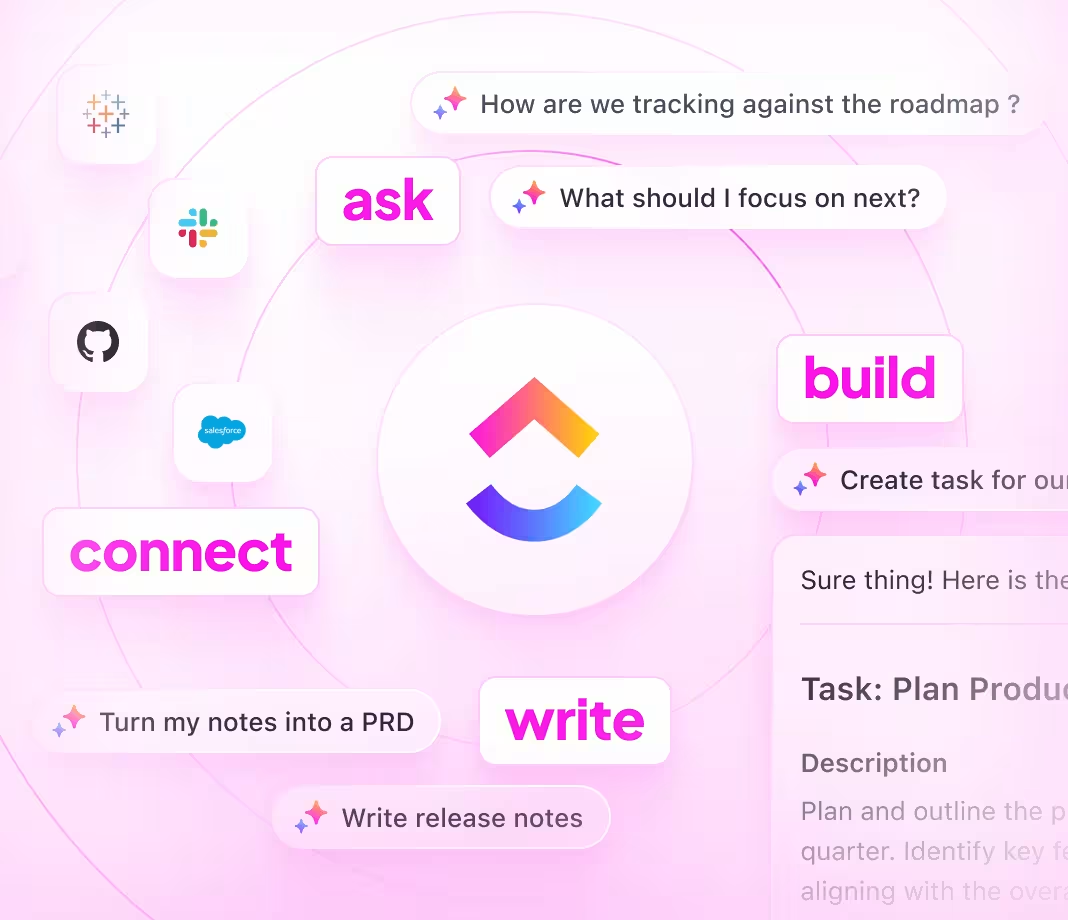
Empowering Teams with ClickUp
How ClickUp Supports Building Your Functional Requirements Knowledge Base
Keep your functional requirements clear, actionable, and connected to every phase of development.
Organize
Structured Functional Requirements with ClickUp Docs
- Feature breakdowns, user stories, acceptance criteria, workflows
- Nested pages and tables of contents for easy navigation
- Consistent templates for requirement clarity
Why it matters: Your team finds what they need quickly, reducing misunderstandings and rework.

Accountability
Clear Ownership and Progress Tracking
- Convert documentation gaps into actionable tasks
- Assign owners with due dates and review cycles
- Monitor updates like any critical project deliverable
Why it matters: Documentation stays current because responsibility is transparent and tracked.

Integration
Connect Documentation to Development Workflows
- Link requirements directly to tasks, sprints, and releases
- Attach feedback, bug reports, and change requests
- Leverage Brain Max to automate insights and summaries
Why it matters: Requirements evolve with your product, ensuring alignment and reducing scope drift.

Functional Requirements Knowledge Base FAQs
Frequently Asked Questions


SOC 2
CERTIFIED

ISO 27001
CERTIFIED

GDPR
COMPLIANT

HIPAA
COMPLIANT