Event-Driven Architecture Knowledge Hub
Craft a Dynamic Knowledge Base for Event-Driven Architecture
Centralize your event schemas, asynchronous workflows, integration patterns, and troubleshooting guides in one searchable space—keeping your architecture documentation reliable and accessible.
 25,000+ reviews from
Trusted by the best
ClickUp vs Conventional Solutions
Why ClickUp Excels for Event-Driven Architecture Documentation
Unify architecture knowledge and execution in a single platform that grows with your team.
With Conventional Tools
- Documentation isolated from development tasks, leading to outdated knowledge
- Manual updates increase risk of missing critical event definitions
- Event workflows and triggers documented separately from implementation
- Permissions complicate sharing across teams and partners
- Entirely manual creation and maintenance prolongs delivery time
With ClickUp
- Combine knowledge and execution with integrated Docs, tasks, and comments
- Instantly convert documentation gaps into actionable tasks
- Link architecture docs directly to deployments, incidents, and service updates
- Granular access controls for internal teams, partners, and public APIs
- AI-powered assistance accelerates drafting, summarizing, and troubleshooting
Methodology to Build Your Knowledge Base
How to Build a Knowledge Base for Event-Driven Architecture
Follow this 6-step framework to maintain consistent, searchable, and current architecture documentation.
1. Identify stakeholders and document key architectural goals
- Determine who consumes the knowledge base (developers, architects, ops)
- Map event flows from producers to consumers and critical integration points
- Assign responsibility for knowledge ownership and updates
2. Design an intuitive knowledge structure for event-driven systems
- Create a centralized hub with clear navigation for events, schemas, handlers, and error management
- Include sections for event definitions, asynchronous patterns, and deprecation notices
3. Apply standardized templates for event and component documentation
- Use consistent formats covering event name, schema, payload, triggers, and consumers
- Document error handling and retries to minimize support overhead
4. Incorporate practical guides and debugging workflows
- Provide step-by-step integration examples
- Detail troubleshooting strategies for common event processing issues
- Centralize best practices for event retry policies and monitoring
5. Keep documentation synced with system releases and updates
- Link knowledge updates to deployment cycles, bug fixes, and incident reviews
- Embed documentation tasks within your development workflow for real-time accuracy
6. Manage access and continuously refine your knowledge base
- Configure permissions for internal teams, external partners, and public consumers
- Maintain changelogs, migration notes, and collect ongoing feedback to prevent knowledge decay
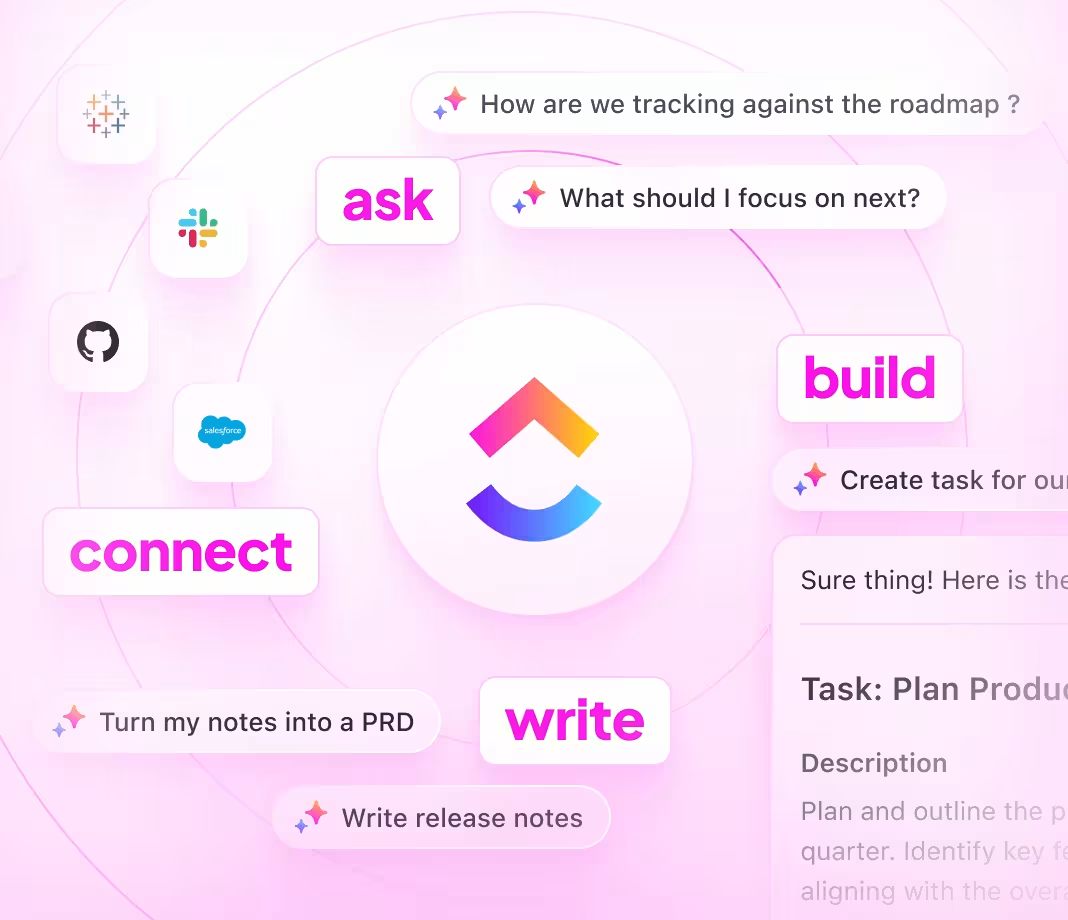
Leveraging ClickUp for Architectural Excellence
How ClickUp Empowers Event-Driven Architecture Knowledge Management
Keep your event documentation precise, accountable, and aligned with every system iteration.
Organize
Comprehensive Event-Driven Docs with ClickUp
- Event catalogs, schema definitions, asynchronous patterns, error handling
- Table of contents with nested pages for easy navigation
- Uniform documentation templates for all event components
Why it matters: Developers and architects access consistent and clear information without delays.

Manage
Clear Ownership and Accountability
- Identify knowledge gaps and convert them into tasks
- Assign owners, deadlines, and periodic review cycles
- Track documentation progress alongside development work
Why it matters: Your knowledge base remains accurate and evolves with your architecture.

Integrate
Documentation Synced with Deployments
- Connect docs to releases, incident reports, and change requests
- Link debugging guides and postmortems
- Align feedback loops with documentation updates
Why it matters: Documentation evolves in tandem with your event-driven system's growth.

ClickUp for Event-Driven Architecture
Common Questions




SOC 2
CERTIFIED

ISO 27001
CERTIFIED

GDPR
COMPLIANT

HIPAA
COMPLIANT