Epidemiology Modeling Knowledge Hub
Build a Dynamic Knowledge Base for Epidemiology Modeling
Create a centralized, searchable repository for models, data sources, simulation parameters, assumptions, and findings—so your team stays aligned on the latest scientific insights.
 25,000+ reviews from
Trusted by the best
ClickUp vs Traditional Methods
Why ClickUp Outperforms Traditional Tools for Epidemiology Knowledge Management
Unify your data and insights in one evolving platform.
Traditional Approaches
- Disconnected documents hinder collaboration and cause version conflicts
- Manual updates lead to outdated or inconsistent information
- Model assumptions and data sources stored separately from analysis
- Access control is limited, causing data silos or excessive sharing
- Knowledge upkeep is time-consuming and reactive
ClickUp Advantage
- Integrate epidemiological models, data, and documentation within one workspace
- Automate updates with ClickUp Brain’s AI-powered summaries and task generation
- Link modeling docs directly to data workflows and simulation tasks
- Granular permissions enable secure sharing across research teams and partners
- Streamline knowledge maintenance with ClickUp 4.0 and Brain Max capabilities
Building Your Epidemiology Knowledge Base
How to Create a Knowledge Base for Epidemiology Modeling
Follow these 6 strategic steps to keep your knowledge accurate, accessible, and actionable.
1. Define your audience and modeling objectives
- Identify users such as researchers, public health officials, and data scientists
- Clarify goals: forecasting, intervention analysis, or policy support
- Delegate ownership to ensure accountability for content accuracy
2. Design a clear structure tailored to epidemiology
- Organize sections: model overview, data inputs, assumptions, simulation results, and validation
- Provide intuitive navigation through linked docs and subpages
- Include changelogs and version histories for model updates
3. Standardize model documentation formats
- Use consistent templates detailing model purpose, parameters, equations, and limitations
- Document data sources and preprocessing steps comprehensively
- Record assumptions and boundary conditions to ensure reproducibility
4. Incorporate practical guides and troubleshooting
- Develop how-to guides for running simulations and interpreting outputs
- Add common error diagnostics and resolution strategies
- Centralize protocols for data updates and model recalibrations
5. Connect documentation to modeling workflows and updates
- Link docs to simulation tasks, data refresh cycles, and publication milestones
- Treat knowledge updates as integral to project deliverables
- Maintain synchronization between models and their documentation
6. Manage access and promote ongoing curation
- Configure permissions for internal teams, collaborators, and public stakeholders
- Schedule regular reviews and feedback collection
- Monitor changes to prevent knowledge decay over time
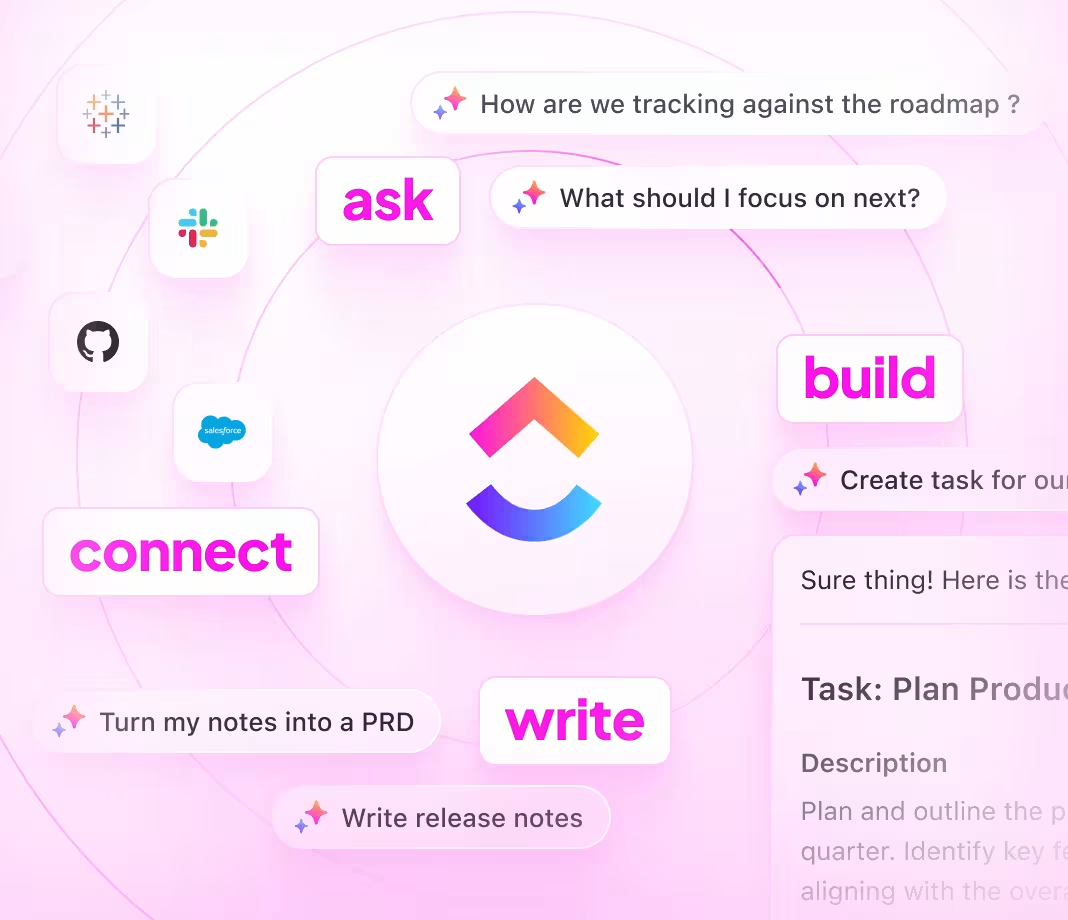
Empower Your Research with ClickUp
Unlock the Power of ClickUp for Epidemiology Knowledge
Keep your epidemiology knowledge base organized, up to date, and tightly integrated with your modeling efforts.
Structure
Organized Epidemiology Modeling Documentation with ClickUp Docs
- Sections for model descriptions, data inputs, parameters, results, and assumptions
- Table of contents and nested subpages for effortless navigation
- Consistent template use across model documentation
Why it matters: Researchers find key details quickly, reducing errors and accelerating decision-making.

Track
Transparent Ownership and Progress Tracking
- Identify content gaps and convert them into actionable tasks
- Assign owners and set review deadlines to guarantee currency
- Monitor documentation updates alongside modeling work
Why it matters: Accountability keeps your knowledge base reliable and responsive to change.

Document
Seamless Linkage Between Documentation and Modeling Workflows
- Associate docs with simulation runs, data updates, and analysis reports
- Connect model revisions to release notes and research publications
- Incorporate feedback and troubleshooting directly into documentation
Why it matters: Your knowledge evolves with your models, reflecting the latest scientific findings.

Epidemiology Knowledge Base FAQs
Frequently Asked Questions




SOC 2
CERTIFIED

ISO 27001
CERTIFIED

GDPR
COMPLIANT

HIPAA
COMPLIANT