
ClickUp Documentation Tagging Knowledge Base
Streamline Your Knowledge Base for Documentation Tagging Strategy
Create a centralized, searchable hub for tagging guidelines, taxonomy, metadata standards, and best practices—so your team always accesses consistent and up-to-date documentation.
 25,000+ reviews from
Trusted by the best
ClickUp vs Traditional Methods
How ClickUp Elevates Documentation Tagging Knowledge Bases
Unify tagging strategies and knowledge in one scalable platform.
Traditional Approaches
- Tagging rules scattered across disparate documents
- Manual updates prone to errors and inconsistencies
- Lack of integration between tagging docs and workflows
- Limited access control causes duplication or outdated copies
- Time-consuming creation and maintenance processes
With ClickUp
- Centralized Docs linked with tasks, comments, and workflows
- Automate tagging updates with ClickUp Brain's AI insights
- Synchronize tagging standards with ongoing projects and releases
- Granular permissions for internal, partner, and external audiences
- Accelerate tagging strategy development with Brain Max and ClickUp 4.0 enhancements
Steps to Build Your Knowledge Base
How to Develop a Knowledge Base for Documentation Tagging Strategy
Follow this 6-step framework to ensure your tagging strategy is clear, consistent, and accessible.
1. Identify your stakeholders and tagging objectives
- Define who uses the tagging documentation (authors, reviewers, analysts)
- Outline the scope of tagging strategy (metadata, taxonomy, labels)
- Assign accountability for maintaining tagging standards
2. Design a clear, navigable tagging knowledge base structure
- Organize core sections: tagging taxonomy, metadata definitions, usage guidelines
- Include subpages for department-specific tagging conventions
- Keep change logs and revision history accessible
3. Standardize tagging documentation templates
- Create uniform pages for each tag/category including purpose, scope, and examples
- Document tagging rules, validation criteria, and edge cases
- Ensure consistency to minimize ambiguity and errors
4. Develop practical guides and troubleshooting for tagging issues
- Provide step-by-step instructions for tagging workflows
- Address common mistakes and resolution methods
- Centralize best practices and FAQs
5. Link tagging documentation to projects and updates
- Associate tagging docs with relevant releases, audits, and feedback
- Maintain tagging relevance as systems and requirements evolve
- Treat tagging strategy as an integral part of content governance
6. Control access and continuously improve your knowledge base
- Manage permissions for internal teams, partners, and public users
- Regularly review and update tagging standards
- Collect user feedback for ongoing refinement
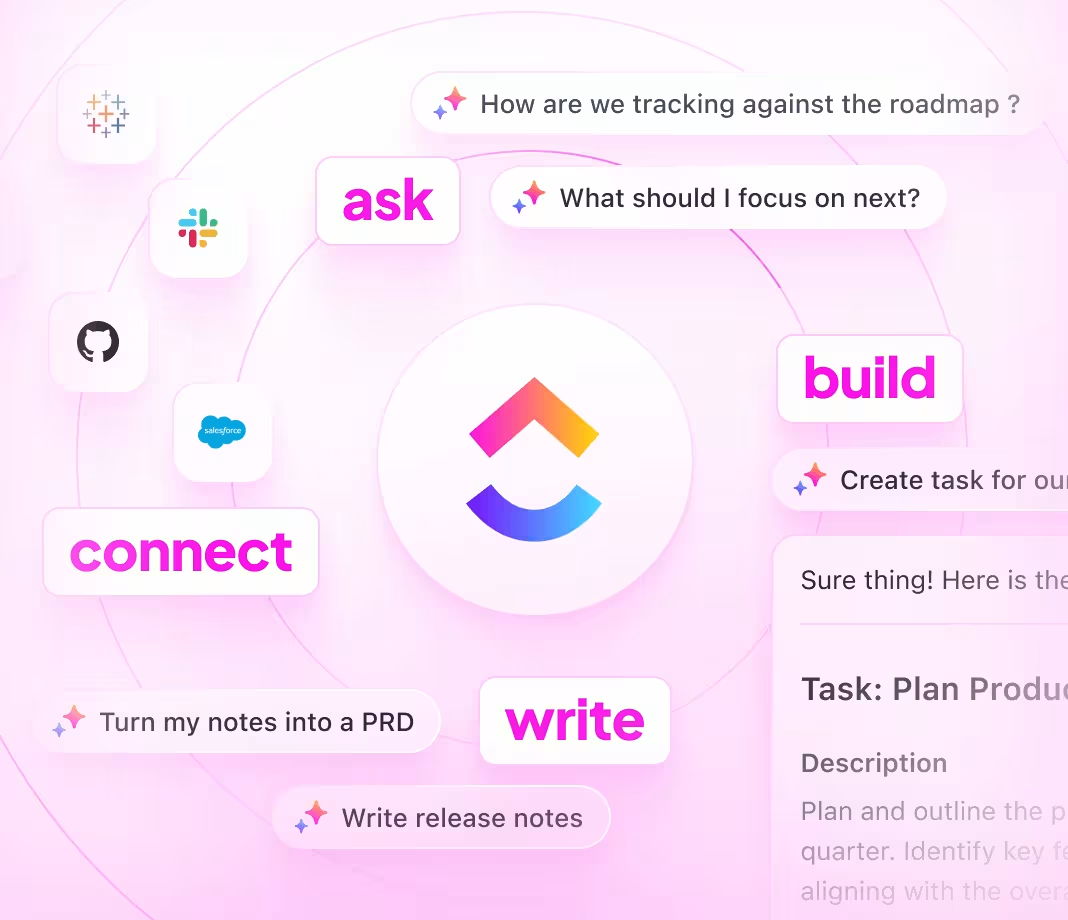
The Power of ClickUp Knowledge Base
Unlock Consistency with ClickUp for Documentation Tagging
Ensure your tagging strategy is structured, accountable, and synchronized with every update.
Organize
Structured Tagging Documentation with ClickUp Docs
- Tag taxonomies, metadata schemas, naming conventions, and usage policies
- Table of contents with nested pages for easy navigation
- Consistent template formats for each tag category
Why it matters: Teams find tagging standards quickly and apply them correctly.

Manage
Trackable Ownership of Tagging Documentation
- Convert documentation gaps into actionable tasks
- Assign owners, set deadlines, and schedule reviews
- Manage tagging docs updates alongside regular project workflows
Why it matters: Documentation remains accurate and up-to-date through clear responsibility.

Integrate
Link Tagging Strategy to Content Lifecycle
- Connect tagging docs with content releases, audits, and governance workflows
- Monitor tagging changes through feedback loops and incident reports
- Keep tagging aligned with evolving business and compliance needs
Why it matters: Tagging strategy adapts fluidly as your documentation environment changes.

ClickUp for Documentation Tagging Strategy
Frequently Asked Questions


SOC 2
CERTIFIED

ISO 27001
CERTIFIED

GDPR
COMPLIANT

HIPAA
COMPLIANT