
DNS Management Knowledge Base
Build a Centralized Knowledge Base for DNS Management Procedures
Create a comprehensive, searchable resource for DNS configurations, updates, troubleshooting, and best practices—so your team always accesses the most accurate DNS procedures.
 25,000+ reviews from
Trusted by the best
ClickUp vs Traditional Tools
Why ClickUp Transforms DNS Management Knowledge Bases
Unify DNS knowledge and execution in one scalable platform.
With traditional tools
- DNS procedures scattered across emails and spreadsheets lead to outdated info
- Manual updates cause delays and inconsistencies
- Documentation disconnected from operational changes and incidents
- Permission controls limited, causing duplicated or restricted access
- Entirely manual process slows knowledge sharing and issue resolution
With ClickUp
- Combine DNS docs, tasks, and conversations in a single workspace
- Assign tasks to close documentation gaps instantly
- Link procedures to DNS updates, incidents, and change requests
- Granular permissions for internal teams, partners, and external users
- Leverage AI to generate drafts, summaries, and troubleshooting content faster
Building Your DNS Knowledge Base
How to create a knowledge base for DNS management procedures
Follow these 6 steps to organize, maintain, and scale your DNS knowledge base effectively.
1. Identify your audience and DNS management objectives
- Define who will use the knowledge base (network admins, support teams, partners)
- Outline key DNS procedures from zone configuration to troubleshooting
- Assign owners for continuous accuracy and updates
2. Design a clear DNS knowledge base structure
- Create an intuitive hub with sections like Zone Setup, Record Types, Security, and Troubleshooting
- Include change logs and version histories for transparency
- Enable easy navigation with tables of contents and subpages
3. Standardize documentation templates for DNS procedures
- Use consistent formats covering purpose, step-by-step instructions, validation, and rollback
- Document common error messages and mitigation steps
- Reduce ambiguity to streamline training and support
4. Incorporate real-world DNS scenarios and troubleshooting guides
- Provide how-to guides for common DNS changes and emergency fixes
- Include best practices for propagation delays, TTL settings, and security
- Offer troubleshooting workflows for DNS resolution issues
5. Keep documentation current by linking it to DNS change management
- Connect updates to DNS deployment tickets, incident reports, and audits
- Make documentation updates part of DNS release cycles
- Ensure procedures reflect the latest network configurations
6. Control access and continuously improve the knowledge base
- Set permissions for internal teams, external partners, and public users
- Schedule regular reviews and feedback collection
- Use analytics to identify gaps and prioritize updates
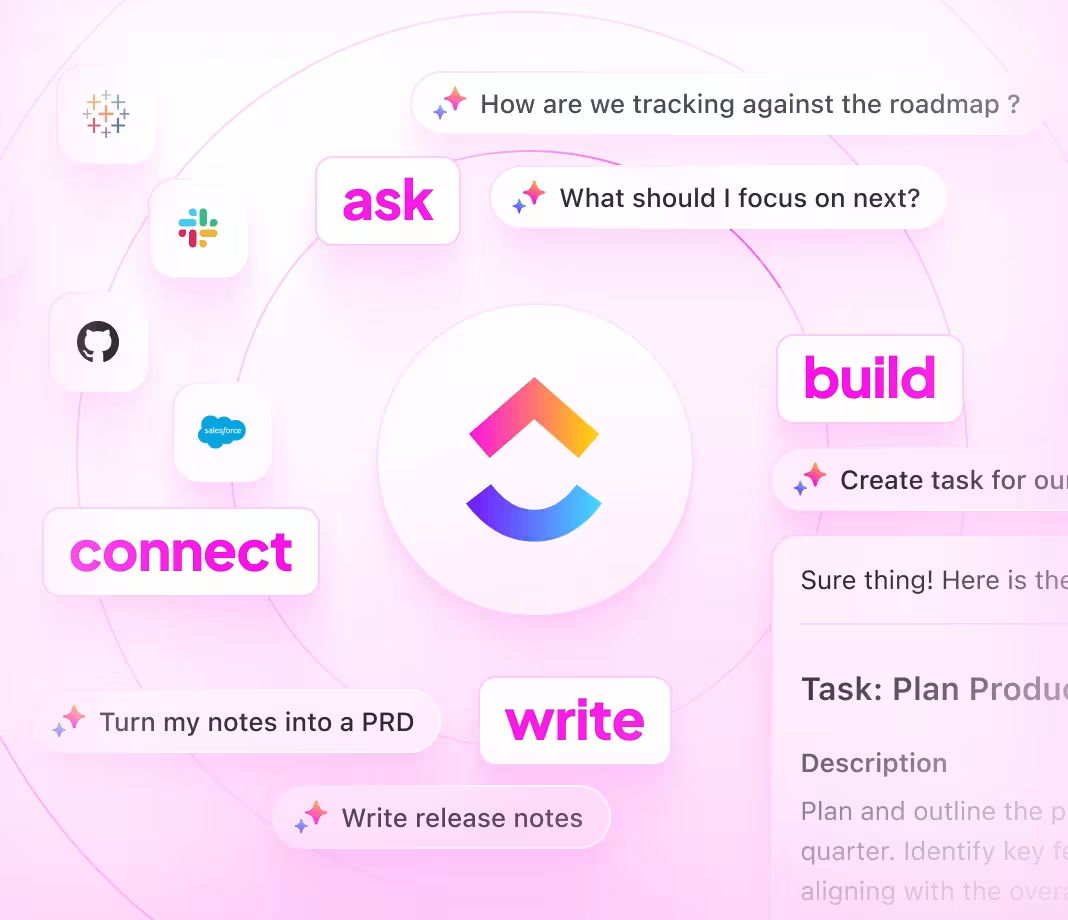
Leveraging ClickUp for DNS Procedures
Harness ClickUp for a robust DNS knowledge base
Ensure every DNS management step is documented, owned, and connected to real-time operational changes.
Organize
Structured DNS documentation with ClickUp Docs
- Core sections: Zone Configuration, Record Management, Security, Propagation, Troubleshooting
- Nested subpages and tables of contents for easy navigation
- Uniform templates for consistency across all DNS procedures
Why it matters: Your team finds accurate DNS information quickly, reducing errors and downtime.

Manage
Accountability built into your DNS knowledge base
- Convert knowledge gaps into assigned tasks with due dates
- Designate owners and establish review schedules
- Track documentation progress alongside DNS operational work
Why it matters: Up-to-date procedures minimize risks and improve team confidence.

Integrate
Documentation tied directly to DNS changes
- Link procedures to change requests, incidents, and audits
- Align docs with DNS updates and security patches
- Collect feedback and issue reports for continuous improvement
Why it matters: Documentation evolves as your DNS infrastructure does, ensuring relevance.

ClickUp DNS Knowledge Base
Common Questions About DNS Knowledge Base Management


SOC 2
CERTIFIED

ISO 27001
CERTIFIED

GDPR
COMPLIANT

HIPAA
COMPLIANT