
Crisis Management Knowledge Base
Build a Dynamic Knowledge Base for Crisis Management
Create a centralized, searchable repository for protocols, incident responses, contact directories, and recovery plans—ensuring your team accesses the most current crisis strategies instantly.
 25,000+ reviews from
Trusted by the best
ClickUp vs Traditional Crisis Tools
Why ClickUp Transforms Crisis Management Knowledge Bases
Unify response knowledge and action in a single platform.
Traditional Crisis Management Tools
- Critical information scattered across multiple platforms
- Manual updates increase risk of outdated procedures
- Lack of integration between knowledge and incident tracking
- Complex permissions create access bottlenecks
- Time-consuming coordination slows response efforts
ClickUp for Crisis Management
- Consolidate knowledge, tasks, and communication in one workspace
- Automate updates and assign follow-ups for knowledge gaps
- Link protocols directly to active incidents and recovery workflows
- Granular permissions streamline secure access
- AI-powered Brain features accelerate content creation and incident analysis
Building Your Crisis Knowledge Base
Steps to Develop a Crisis Management Knowledge Base
Follow this 6-step framework to maintain structured, actionable, and real-time crisis information.
1. Identify Stakeholders and Crisis Response Objectives
- Define who needs access: responders, leadership, partners
- Outline scenarios and response goals for each crisis type
- Assign content ownership for accountability and upkeep
2. Design an Intuitive Knowledge Base Framework
- Centralize key sections: protocols, communication plans, resource directories, escalation paths
- Use clear navigation to enable rapid access during incidents
- Include audit trails for updates and version control
3. Standardize Incident Protocol Pages for Consistency
- Develop uniform templates covering triggers, response steps, roles, and communication channels
- Include decision trees and escalation criteria
- Document lessons learned and mitigation tactics to reduce recurrence
4. Incorporate Practical Guides and Troubleshooting Measures
- Provide step-by-step response workflows and checklists
- Embed communication templates and contact trees
- Address common challenges with resolution strategies and FAQs
5. Keep Knowledge in Sync with Ongoing Crisis Activities
- Link knowledge updates to incident reports, debriefs, and drills
- Treat knowledge maintenance as an integral part of crisis workflows
- Utilize Brain Max to auto-summarize incident insights and update documentation
6. Secure and Review Access Regularly
- Manage permissions to protect sensitive data while enabling appropriate visibility
- Schedule periodic reviews and drills to validate content accuracy
- Collect team feedback to continuously refine knowledge base quality
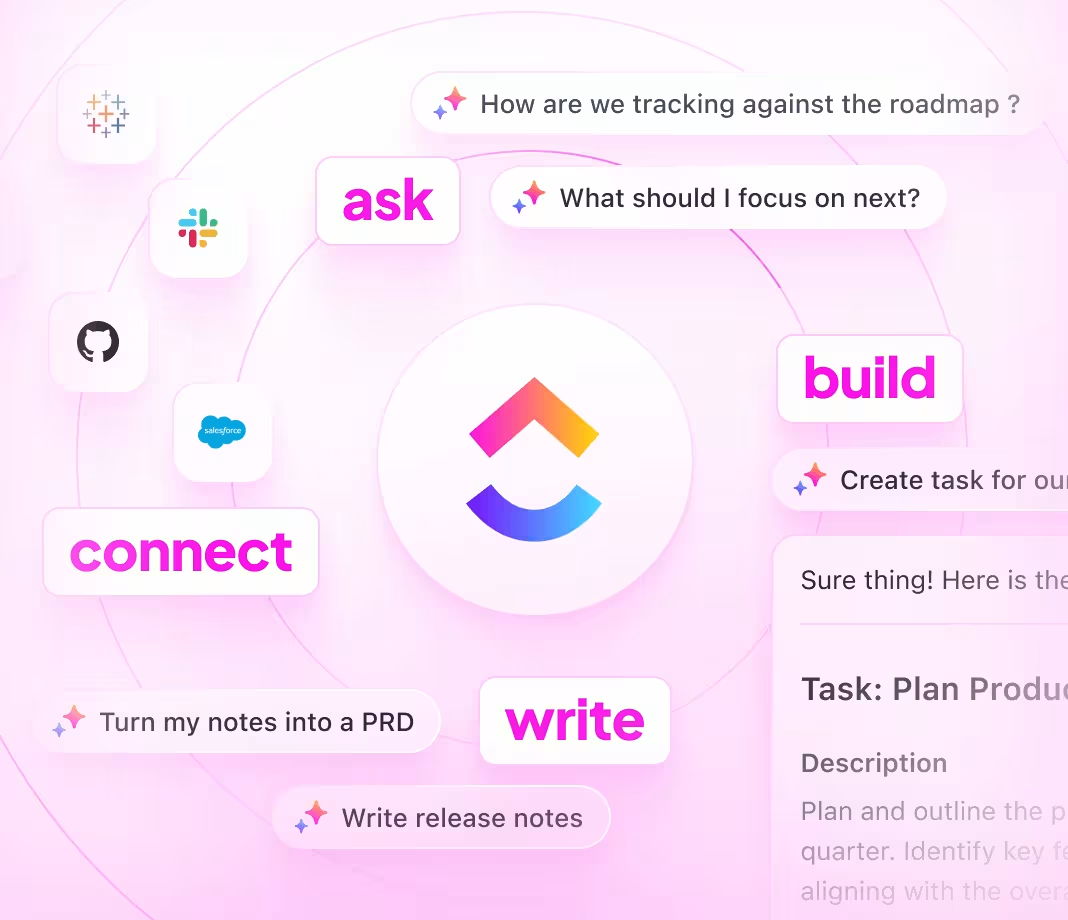
Leveraging ClickUp for Crisis Preparedness
Empower Crisis Teams with ClickUp's Knowledge Base
Align knowledge, tasks, and communication in one platform to accelerate response and recovery.
Organize
Structured Crisis Protocols in ClickUp Docs
- Incident types, escalation paths, communication templates, recovery plans
- Nested pages and table of contents for rapid navigation
- Consistent formatting for easy scanning and training
Why it matters: Your team accesses vital information quickly, reducing response time and errors.

Manage
Accountable Knowledge Ownership and Updates
- Convert knowledge gaps into actionable tasks
- Assign owners with deadlines and scheduled reviews
- Track updates alongside incident management workflows
Why it matters: Documentation stays current, ensuring reliable guidance when it matters most.

Connect
Integrated Knowledge Linked to Crisis Events
- Link protocols to active incidents, postmortems, and recovery plans
- Tie feedback and lessons learned directly to documentation
- Use ClickUp Brain and Brain Max to synthesize insights and automate updates
Why it matters: Knowledge evolves with your crisis landscape, staying relevant and actionable.

Crisis Management Knowledge Base with ClickUp
Frequently Asked Questions


SOC 2
CERTIFIED

ISO 27001
CERTIFIED

GDPR
COMPLIANT

HIPAA
COMPLIANT