
Cloud Cost Allocation Knowledge Hub
Build a Comprehensive Knowledge Base for Cloud Cost Allocation Rules
Centralize your cost allocation policies, tagging standards, billing insights, and optimization strategies—so your finance and cloud teams always access the definitive reference.
 25,000+ reviews from
Trusted by the best
ClickUp vs Legacy Systems
Why ClickUp Excels in Cloud Cost Allocation Knowledge Management
Create a unified source that evolves with your cloud environment.
Using traditional tools
- Cost rules and documentation scattered across multiple platforms
- Manual updates cause delays and inaccuracies
- Little integration between cost data and operational tasks
- Access controls complicate collaboration leading to duplicated efforts
- Time-consuming manual processes for rule creation and updates
Using ClickUp
- Centralized Docs integrated with tasks and comments for real-time collaboration
- Turn documentation gaps into actionable tasks with assigned owners
- Link cost allocation rules directly to cloud spend reports and optimization projects
- Granular permissions to manage internal, vendor, and executive access
- AI-powered drafting, summarization, and rule validation accelerates workflows
Building Your Knowledge Base
How to develop a cloud cost allocation rules knowledge base
Follow these 6 strategic steps to create an accurate, scalable, and maintainable knowledge hub.
1. Identify stakeholders and define cost allocation objectives
- Determine who uses the knowledge base: finance, engineering, cloud architects
- Outline goals: transparency, compliance, chargeback accuracy
- Assign clear ownership for ongoing updates and governance
2. Design a structured knowledge base framework
- Organize by cost centers, resource types, tags, and billing categories
- Create sections for policies, tagging conventions, and allocation methodologies
- Include change logs and historical rate adjustments for auditability
3. Standardize rule documentation formats
- Use consistent templates capturing rule purpose, scope, allocation metrics, and exceptions
- Document dependencies on cloud provider services and billing APIs
- Include examples and remediation actions to minimize misinterpretation
4. Incorporate practical guides and troubleshooting workflows
- Develop how-to articles for setting up tagging and billing alerts
- Script troubleshooting steps for common allocation errors
- Centralize cost anomaly investigations and resolution protocols
5. Integrate knowledge base maintenance into cloud operations
- Connect documentation updates to cloud spend reviews, budget approvals, and policy changes
- Treat knowledge management as part of the operational cadence, not an afterthought
- Ensure documentation evolves alongside cloud architecture and billing models
6. Manage access controls and continuous improvement
- Define permissions for internal teams, external auditors, and cloud vendors
- Schedule periodic reviews and solicit feedback to prevent knowledge decay
- Leverage analytics to identify documentation gaps and user needs
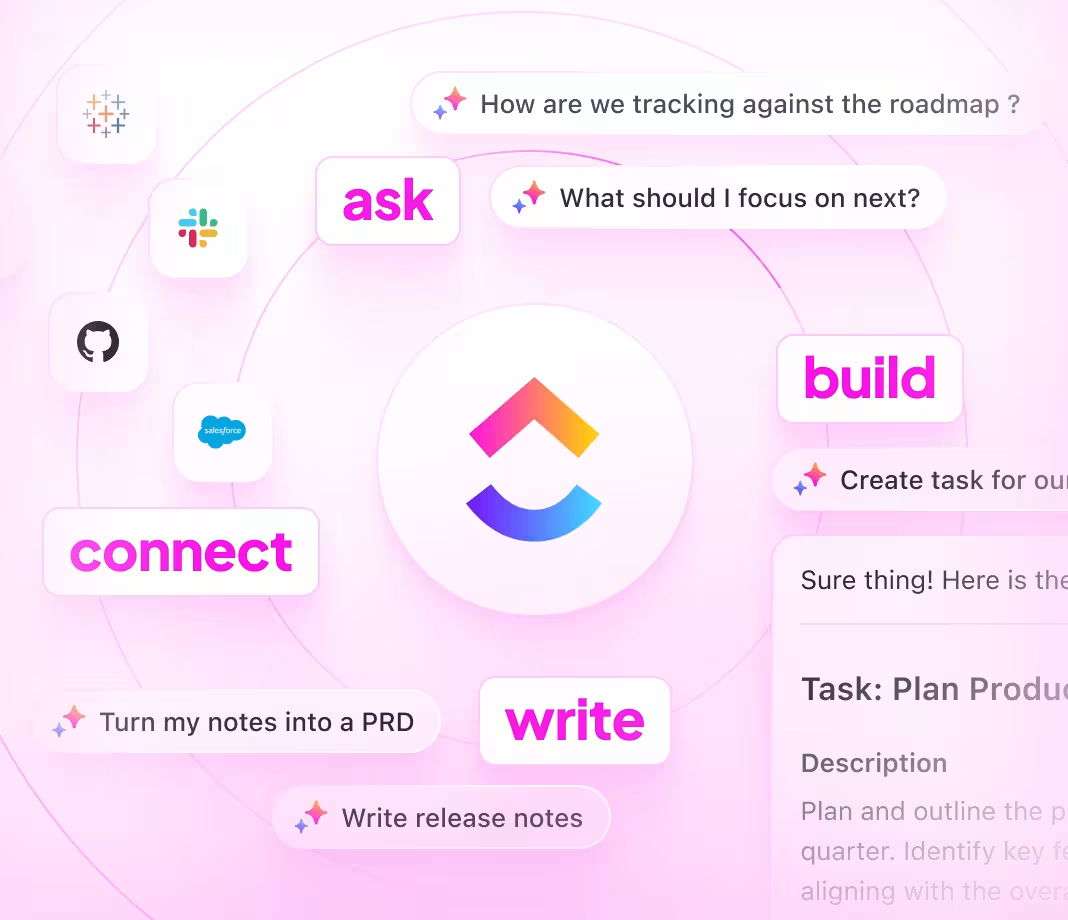
Leverage ClickUp to streamline cost governance
Unlock the power of ClickUp for cloud cost allocation knowledge
Maintain clear, accountable, and synchronized cost allocation documentation aligned with your cloud strategy.
Organize
Structured cost allocation documentation with ClickUp Docs
- Policies, Tagging Standards, Allocation Methodologies, Billing Categories
- Table of contents plus nested subpages for easy navigation
- Uniform templates for documenting allocation rules
Why it matters: Teams find cost allocation info quickly, reducing billing disputes and errors.

Assign
Accountability through trackable ownership
- Convert documentation gaps into tasks
- Assign owners, set deadlines, and schedule reviews
- Manage documentation updates like cloud cost projects
Why it matters: Your knowledge base stays accurate because responsibility is clear.

Connect
Documentation synchronized with cloud spend cycles
- Link docs to cloud cost reports, budget cycles, and optimization initiatives
- Associate allocation policies with cloud provider updates and billing changes
- Integrate user feedback and support tickets into documentation improvements
Why it matters: Your knowledge base evolves seamlessly as your cloud environment changes.

ClickUp for Cloud Cost Allocation Rules
Common Questions Answered


SOC 2
CERTIFIED

ISO 27001
CERTIFIED

GDPR
COMPLIANT

HIPAA
COMPLIANT