
Biometric Authentication Knowledge Hub
Craft a Robust Knowledge Base for Biometric Authentication
Centralize protocols, device integration guides, security standards, troubleshooting, and compliance updates—empowering your team with a trusted, up-to-date resource.
 25,000+ reviews from
Trusted by the best
Traditional Methods vs ClickUp
Why ClickUp Excels for Biometric Authentication Knowledge Management
Unify your biometric security knowledge and workflows seamlessly.
Using traditional tools
- Knowledge scattered across disconnected platforms, leading to outdated content
- Manual updates prone to delays and errors
- Documentation isolated from biometric system development and incidents
- Access controls limited, causing duplication or exposure risks
- Entirely manual processes slow down knowledge refresh cycles
With ClickUp
- Integrates documentation, tasks, and discussions in one platform
- Automatically convert knowledge gaps into actionable tasks
- Link docs directly to biometric system updates, incidents, and compliance changes
- Granular permissions enable secure sharing with internal teams and external partners
- AI-powered features accelerate content creation, summarization, and troubleshooting
Knowledge Base Creation Steps
Steps to Build a Biometric Authentication Knowledge Base
Follow this structured process to develop precise, accessible, and evolving biometric documentation.
1. Identify stakeholders and knowledge objectives
- Define user groups: security engineers, developers, compliance officers
- Outline goals from enrollment processes to authentication flows and error handling
- Assign clear ownership for ongoing content accuracy
2. Design a coherent knowledge base framework
- Create a navigable hub covering protocols, device setup, biometric algorithms, and compliance
- Incorporate sections for enrollment, matching, security policies, and incident response
- Maintain changelogs and updates for evolving standards
3. Standardize documentation templates
- Use consistent formats for biometric system components: purpose, configuration, security measures
- Include authentication methods, data privacy considerations, and integration steps
- Document common failure modes and mitigation techniques
4. Develop practical guides and troubleshooting tutorials
- Author step-by-step enrollment and authentication procedure guides
- Provide diagnostics for sensor malfunctions and false rejection scenarios
- Centralize best practices for privacy compliance and data handling
5. Link documentation to development cycles and security audits
- Connect docs with software releases, patch updates, and security incident reports
- Treat documentation as an integral part of system maintenance
- Ensure continuous alignment with biometric technology advancements
6. Manage access and sustain documentation quality
- Set role-based access for internal teams, partners, and auditors
- Update changelogs and deprecation notices regularly
- Gather user feedback and schedule periodic reviews to prevent content decay
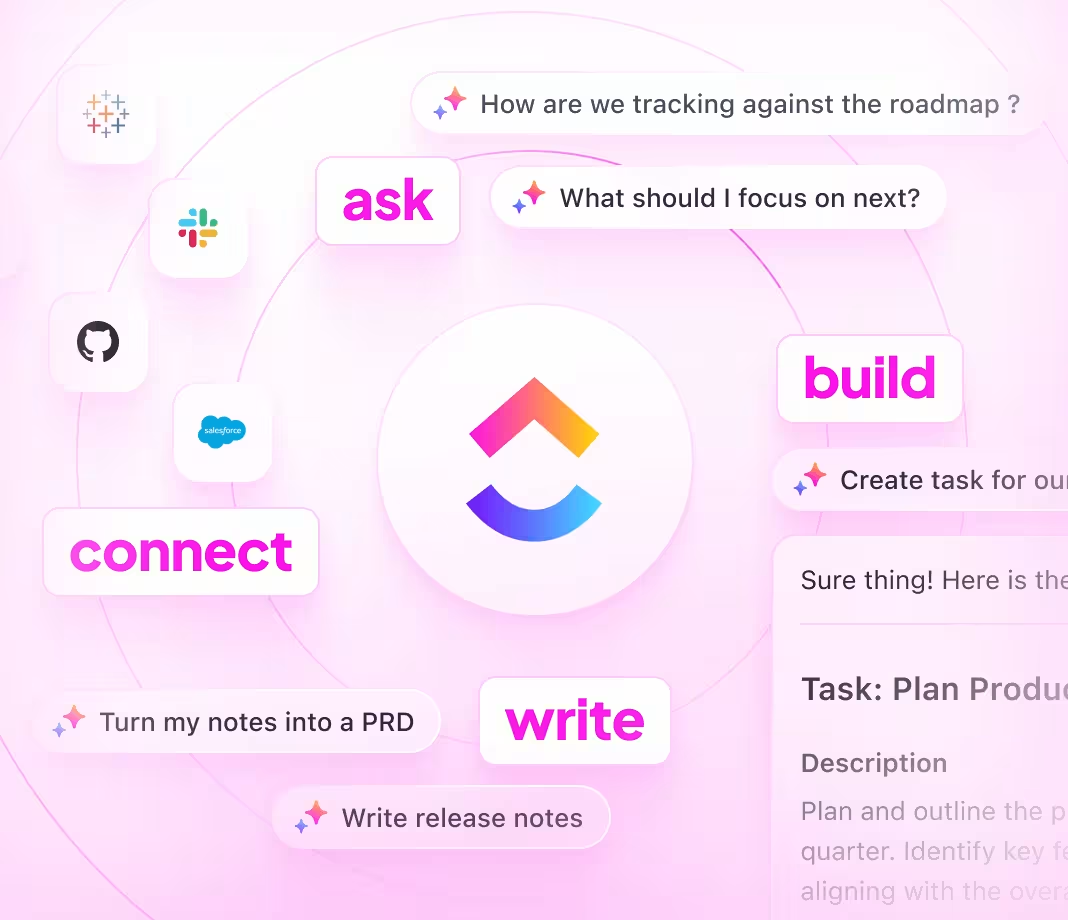
Leveraging ClickUp for Secure Knowledge Management
Unlock Consistency in Biometric Knowledge with ClickUp
Ensure your biometric authentication documentation evolves in step with every system update and regulatory change.
Organize
Comprehensive Biometric Documentation Using ClickUp Docs
- Enrollment, Authentication, Device Integration, Security Policies, Compliance
- Clear table of contents with nested subpages for easy navigation
- Uniform documentation templates for system components
Why it matters: Teams access accurate information faster, reducing errors and support requests.

Accountability
Transparent Ownership and Tracking
- Identify documentation gaps and assign corrective tasks
- Set responsible owners, deadlines, and recurring reviews
- Monitor documentation updates alongside biometric system project work
Why it matters: Documentation remains reliable as accountability drives timely updates.

Integration
Documentation Aligned with System Releases
- Link docs directly to biometric software updates, security patches, and audit findings
- Connect incident reports and remediation steps to knowledge base
- Incorporate user feedback for continuous improvement
Why it matters: Documentation reflects the current state of your biometric authentication systems.

ClickUp for Biometric Authentication Knowledge
Frequently Asked Questions


SOC 2
CERTIFIED

ISO 27001
CERTIFIED

GDPR
COMPLIANT

HIPAA
COMPLIANT