
Behavioral Health Knowledge Management
Build a Comprehensive Knowledge Base for Behavioral Health
Centralize protocols, treatment guidelines, case studies, and compliance resources into one searchable hub—empowering your team to deliver consistent, evidence-based care.
 25,000+ reviews from
Trusted by the best
ClickUp vs Traditional Systems
Why ClickUp Transforms Behavioral Health Knowledge Management
Consolidate critical knowledge and workflows in a single platform that evolves with your practice.
Traditional Behavioral Health Tools
- Information scattered across multiple platforms leading to inconsistencies
- Manual updates increase risk of outdated clinical guidelines
- Limited integration between knowledge and daily workflows
- Access restrictions complicate sharing across care teams
- Time-consuming documentation processes without automation support
Using ClickUp for Behavioral Health Knowledge Base
- Unified hub for clinical content, protocols, and collaboration (Docs + tasks + comments)
- Instant task creation for knowledge gaps identified during care
- Seamless linking between documentation and patient management workflows
- Granular permissions for clinicians, administrators, and partners
- AI-powered drafting, summarizing, and troubleshooting to accelerate updates
Steps to build your knowledge base
How to create a behavioral health knowledge base with ClickUp
Follow this 6-step approach to develop a living, accessible, and compliant resource for your team.
1. Identify key users and define knowledge goals
- Determine roles: clinicians, care coordinators, administrators
- Outline essential content: treatment protocols, case notes, compliance policies
- Assign responsibility for content upkeep and quality control
2. Design an intuitive, structured knowledge framework
- Organize by care pathways, disorders, interventions, and regulatory standards
- Use nested Docs and tables of contents for easy navigation
- Ensure clear versioning and changelog visibility
3. Standardize documentation formats across topics
- Implement consistent templates for treatment plans, progress notes, and assessments
- Include sections for symptoms, interventions, outcomes, and references
- Promote uniformity to enhance clarity and reduce errors
4. Integrate practical guides and troubleshooting aids
- Develop how-to articles for common behavioral interventions
- Provide troubleshooting for care coordination challenges
- Centralize crisis protocols and escalation procedures
5. Link knowledge updates with clinical workflows and compliance
- Connect documentation revisions to policy changes, audits, and training
- Embed updates within care delivery tasks and supervision notes
- Maintain regulatory alignment proactively
6. Manage access controls and continuous improvement
- Set permissions for confidential patient data vs. general resources
- Regularly solicit feedback and schedule content reviews
- Use analytics to identify knowledge gaps and training needs
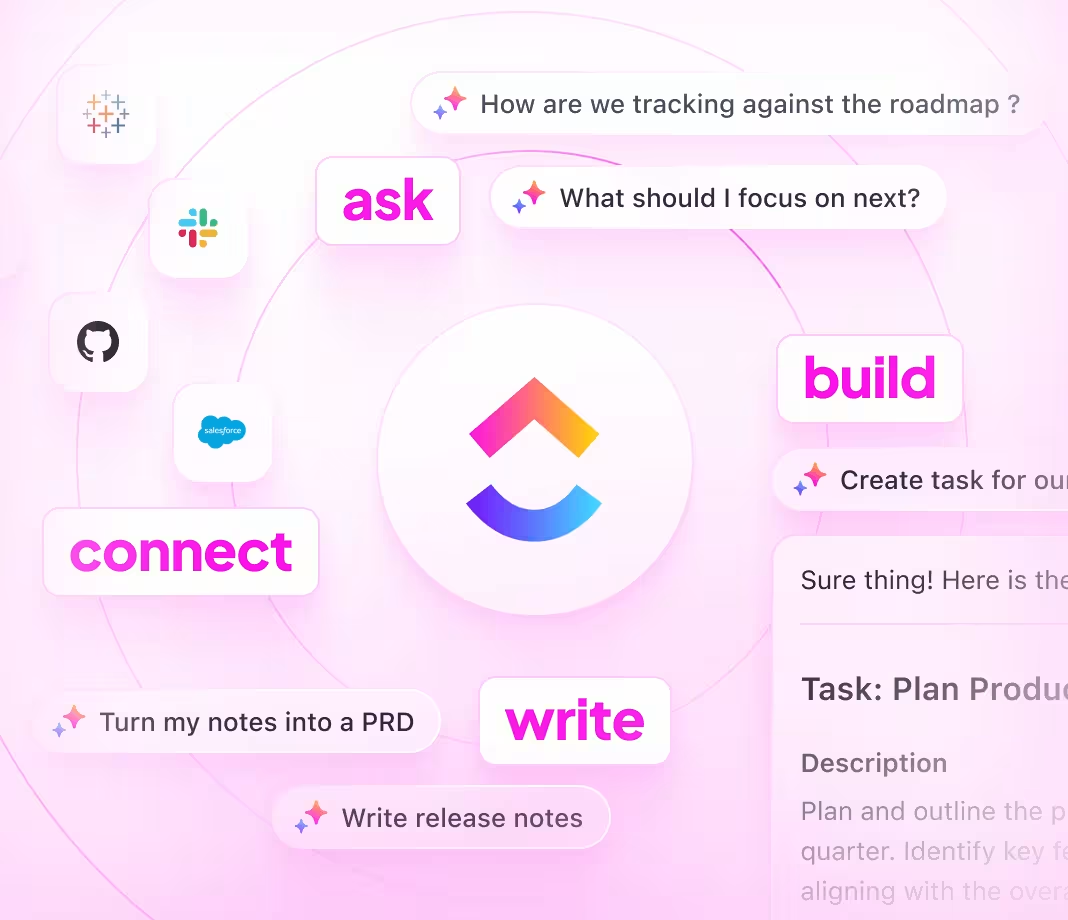
Empowering Behavioral Health Teams
Harness ClickUp to build your behavioral health knowledge base
Keep clinical knowledge organized, owned, and synchronized with every update and care cycle.
Organize
Systematic Clinical Knowledge with ClickUp Docs
- Comprehensive sections: Assessments, Interventions, Compliance, Training
- Intuitive navigation via nested pages and linked content
- Consistent documentation templates for clarity and compliance
Why it matters: Clinicians find vital information swiftly, minimizing care delays.

Accountability
Ownership and Review Tracking
- Convert identified knowledge gaps into actionable tasks
- Assign content owners, set deadlines, and schedule periodic reviews
- Monitor documentation efforts alongside clinical workflows
Why it matters: Ensures knowledge base accuracy and relevance over time.

Integration
Knowledge Connected to Clinical Operations
- Link documents to treatment updates, supervision meetings, and policy changes
- Connect incident reports and quality improvement initiatives
- Gather and incorporate frontline feedback continuously
Why it matters: Keeps knowledge aligned with evolving clinical practice and standards.

Behavioral Health Knowledge Base with ClickUp
Common Questions Answered


SOC 2
CERTIFIED

ISO 27001
CERTIFIED

GDPR
COMPLIANT

HIPAA
COMPLIANT