
ClickUp Knowledge Base for Backlog Management
Build a Dynamic Knowledge Base for Backlog Management Rules
Create a centralized, searchable resource for backlog policies, prioritization criteria, workflows, and escalation paths—so your team always follows the latest standards.
 25,000+ reviews from
Trusted by the best
ClickUp vs Traditional Tools
Why ClickUp Excels for Backlog Management Rule Documentation
Unify your backlog knowledge and execution in one scalable platform.
Traditional backlog tools
- Rulebooks stored separately from actual backlog work, causing misalignment
- Manual updates prone to oversight and delays
- Lack of integration with task changes slows response
- Permissions lead to fragmented or duplicated rule sets
- Documentation upkeep is time-consuming and disconnected
With ClickUp
- Backlog rules live alongside tasks, comments, and workflows
- Convert documentation gaps into actionable tasks immediately
- Link rules to backlog items, releases, and sprint outcomes
- Granular access controls for team, stakeholders, and external partners
- AI-powered assistance accelerates drafting, summarization, and troubleshooting
Steps to build your backlog knowledge base
How to create a knowledge base for backlog management rules
Follow this 6-step approach to ensure your backlog rules are clear, accessible, and maintained.
1. Identify your team’s backlog management objectives and users
- Define who needs access to backlog rules
- Outline workflows from item creation to prioritization and resolution
- Assign responsibility for rule ownership and updates
2. Design a clear, navigable structure for backlog rules
- Create a centralized hub with sections for prioritization, triage, escalation, and review criteria
- Use subpages for different project types or teams
- Include changelogs and update logs for transparency
3. Standardize rule documentation formats for consistency
- Define templates covering rule purpose, scope, criteria, exceptions, and examples
- Ensure uniformity across all backlog guidelines
- Highlight edge cases to reduce ambiguity
4. Incorporate practical how-to guides and troubleshooting advice
- Develop walkthroughs for common backlog scenarios
- Document resolution paths for conflicts or bottlenecks
- Centralize escalation protocols and communication tips
5. Keep rules current by linking them to backlog updates and releases
- Connect rule updates to sprint retrospectives, release notes, and change requests
- Treat documentation upkeep as part of backlog refinement cycles
- Promote real-time sync between rules and backlog changes
6. Manage permissions and maintain your knowledge base continuously
- Set access controls for internal teams, stakeholders, and external contributors
- Regularly review and update rules using feedback loops
- Ensure your backlog knowledge base evolves with your process
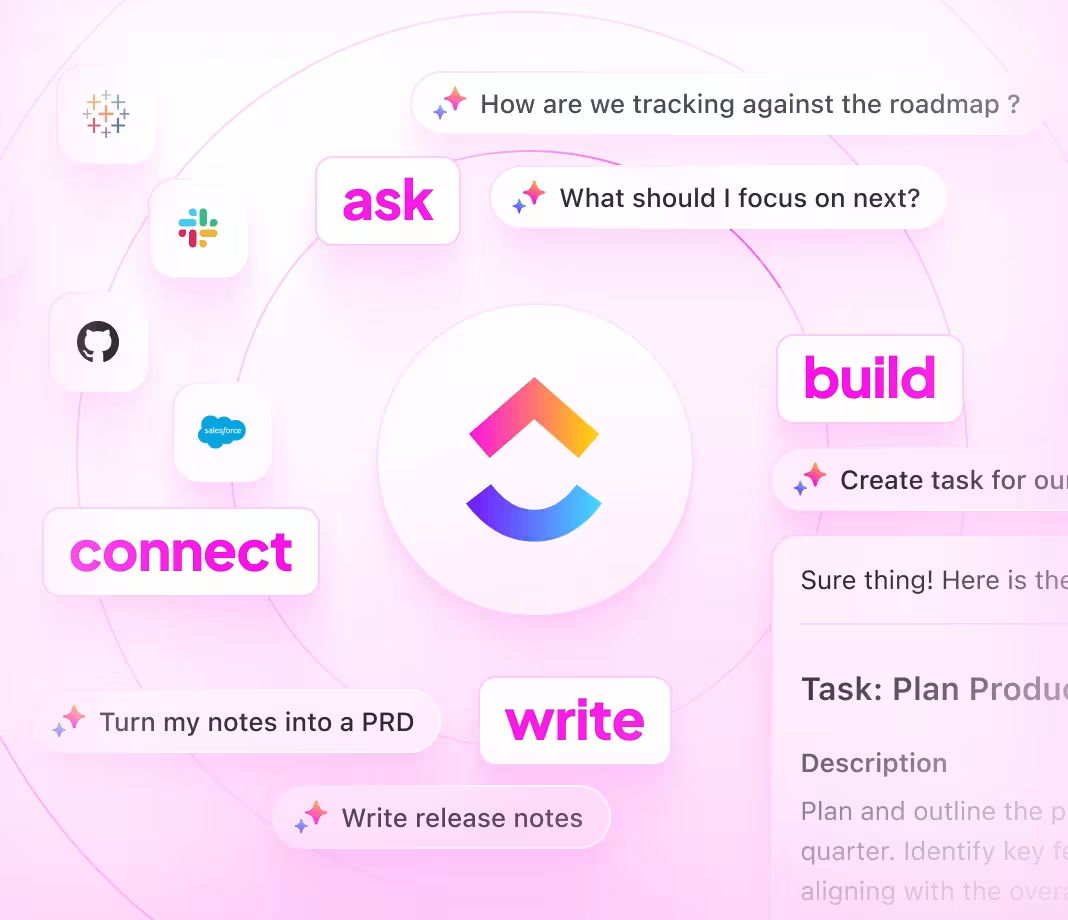
Backlog Knowledge Base Capabilities
Unlock streamlined backlog rule management with ClickUp
Centralize your backlog management policies and keep them aligned with every sprint and release.
Organize
Structured backlog rules with ClickUp Docs
- Prioritization guidelines, triage workflows, escalation paths, and review criteria
- Table of contents plus nested subpages for intuitive navigation
- Consistent formatting for all rule documents
Why it matters: Your team finds the right guidance quickly, reducing backlog confusion and delays.

Track
Accountable documentation ownership
- Turn missing or outdated rules into assignable tasks
- Set owners, deadlines, and recurring reviews for each rule
- Manage backlog documentation like any other project work
Why it matters: Your backlog knowledge base stays accurate and actionable because responsibility is clear.

Connect
Backlog rules linked to workflows and releases
- Associate rule updates with sprint retrospectives, backlog grooming sessions, and change requests
- Connect incident reviews and support feedback to documentation
- Tie real-world backlog experiences back to your knowledge base
Why it matters: Your backlog rules evolve naturally alongside your team’s work and priorities.

ClickUp backlog knowledge base
Common Questions About Backlog Management Rules


SOC 2
CERTIFIED

ISO 27001
CERTIFIED

GDPR
COMPLIANT

HIPAA
COMPLIANT