
ClickUp Asset Tracking Knowledge Base
Streamline Your Asset Tracking Knowledge Hub
Create a centralized, searchable resource for asset lifecycle details, maintenance schedules, audit trails, and troubleshooting—so your team always accesses the most accurate asset data.
 25,000+ reviews from
Trusted by the best
ClickUp vs Traditional Systems
Why ClickUp Excels for Asset Tracking Knowledge Management
Unify your asset data and processes within one scalable platform.
Using traditional asset tracking tools
- Asset info scattered across spreadsheets and emails, causing data silos
- Manual updates lead to outdated or inaccurate records
- No direct links between asset data and maintenance tasks
- Limited access controls create duplication or security risks
- Time-consuming asset audits and reporting processes
Leveraging ClickUp for asset knowledge base
- Centralized Docs integrate asset details, tasks, and communication
- Automated workflows update asset statuses and maintenance logs
- Link asset documentation directly to work orders and incidents
- Granular permissions tailor access for teams and stakeholders
- AI-powered insights accelerate data updates and error detection
Build Your Asset Tracking Knowledge Base
How to develop a knowledge base for asset tracking processes?
Follow this 6-step framework to keep asset data accurate, accessible, and actionable.
1. Identify stakeholders and asset tracking objectives
- Determine users such as maintenance, inventory, and compliance teams
- Define goals like audit readiness, lifecycle management, and real-time tracking
- Assign owners responsible for content upkeep and validation
2. Design a clear structure for asset knowledge documentation
- Organize around asset types, locations, and process stages
- Include sections for acquisition, maintenance, usage, and decommissioning
- Enable easy navigation with tables of contents and subpages
3. Standardize asset documentation formats
- Use consistent templates capturing specs, serial numbers, warranty info, and maintenance protocols
- Document troubleshooting steps and safety considerations
- Ensure uniformity to reduce errors and speed up training
4. Incorporate practical guides and troubleshooting workflows
- Develop step-by-step procedures for inspections, repairs, and audits
- Include common failure modes and diagnostic tips
- Centralize compliance checklists and reporting templates
5. Keep the knowledge base current by linking to asset management activities
- Connect documentation updates with maintenance schedules and incident reports
- Treat knowledge upkeep as integral to asset lifecycle management
- Leverage ClickUp automations to trigger content reviews after key events
6. Manage permissions and review cycles rigorously
- Control access for internal teams, external vendors, and auditors
- Maintain version histories and change logs
- Regularly solicit feedback to improve documentation relevance
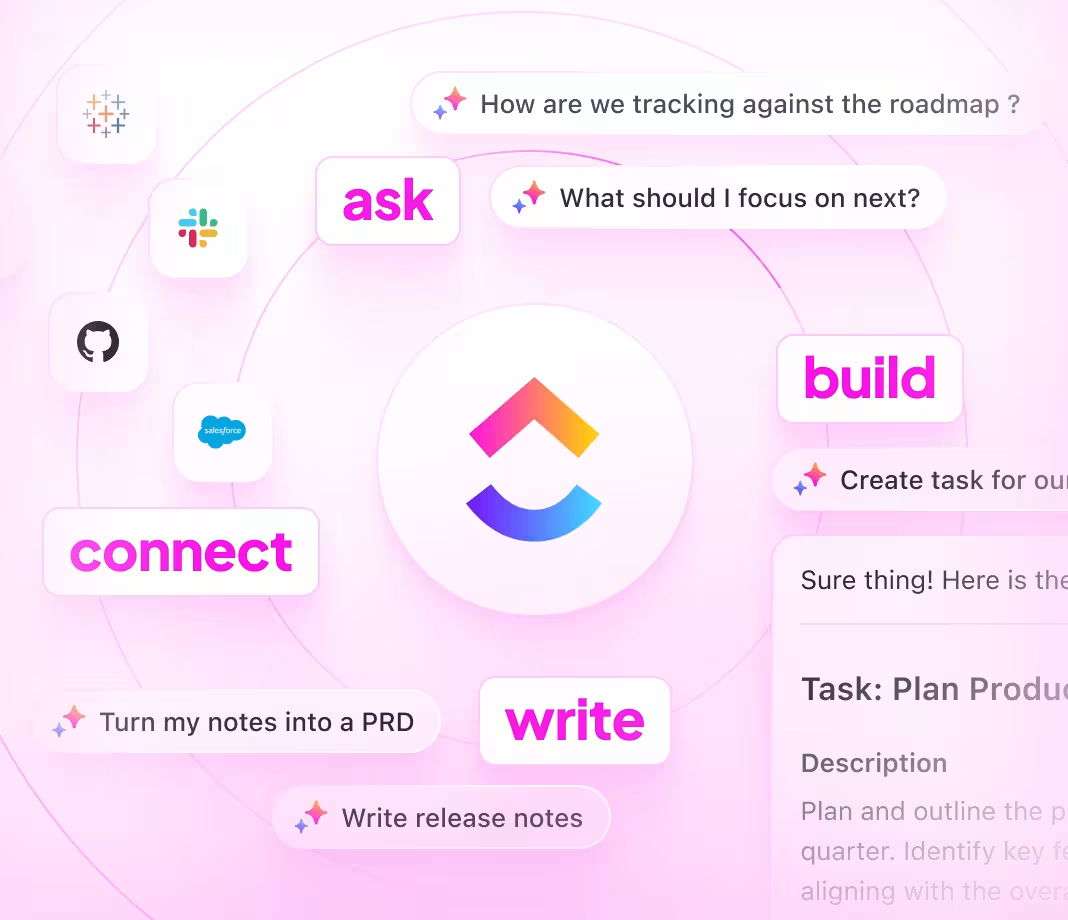
Empowering Asset Management Teams
Unlock Efficiency with ClickUp for Asset Tracking Knowledge
Maintain a living knowledge base that adapts with your assets and processes.
Organize
Structured Asset Documentation via ClickUp Docs
- Categorize assets by type, location, and lifecycle stage
- Use navigable tables of contents and nested pages
- Apply standardized templates for consistency
Why it matters: Teams locate accurate asset info quickly, reducing downtime and errors.

Assign
Clear Ownership and Accountability
- Convert documentation gaps into actionable tasks
- Assign owners with due dates and review schedules
- Monitor progress like any operational workflow
Why it matters: Documentation stays up-to-date because responsibility is clearly defined.

Integrate
Documentation Synced with Asset Operations
- Link knowledge base updates to maintenance activities and incident management
- Connect feedback and audit findings directly to content revisions
- Align documentation with asset lifecycle changes
Why it matters: Your knowledge base evolves in real time as assets move through their lifecycle.

ClickUp Knowledge Base for Asset Tracking
Common Questions About Building an Asset Tracking Knowledge Base


SOC 2
CERTIFIED

ISO 27001
CERTIFIED

GDPR
COMPLIANT

HIPAA
COMPLIANT