
Accessibility Testing Knowledge Hub
Build a Robust Knowledge Base for Accessibility Testing
Create a centralized, searchable resource with standards, test cases, guidelines, and remediation tips—so your team ensures inclusive digital experiences every time.
 25,000+ reviews from
Trusted by the best
ClickUp vs Traditional Methods
Why ClickUp Transforms Accessibility Testing Knowledge Management
Unify your knowledge and testing workflows in one scalable platform.
Relying on Traditional Tools
- Accessibility knowledge scattered across disconnected platforms
- Manual updates lead to outdated or inconsistent information
- Testing documentation isolated from actual testing tasks
- Limited collaboration on remediation and follow-up
- Time-consuming maintenance and version control
With ClickUp’s Unified Solution
- Combine documentation, test cases, and tasks in one workspace
- Use ClickUp Brain and AI to draft, summarize, and update content fast
- Link accessibility knowledge directly to testing processes and tickets
- Assign ownership with built-in accountability and review cycles
- Manage permissions for internal teams, partners, and stakeholders securely
Building Your Knowledge Base
How to Build an Accessibility Testing Knowledge Base with ClickUp
Follow these 6 essential steps to create a well-structured, dynamic, and actionable knowledge hub.
1. Identify Your Accessibility Stakeholders and Objectives
- Determine who will use the knowledge base: testers, developers, designers, compliance officers
- Define goals: compliance adherence, user experience improvements, training resources
- Assign clear ownership to maintain consistency over time
2. Design a Clear and Navigable Knowledge Structure
- Establish core sections: standards, testing methodologies, common issues, remediation steps
- Use ClickUp Docs with nested pages and an intuitive table of contents
- Ensure easy access to changelogs and policy updates
3. Standardize Test Case and Documentation Templates
- Create uniform test case formats including criteria, steps, expected results, and tools used
- Document common error patterns and assistive technology compatibility
- Maintain consistency to reduce confusion and speed onboarding
4. Incorporate Practical Guides and Troubleshooting Resources
- Develop detailed walkthroughs for testing scenarios and tool usage
- Provide resolution workflows for typical accessibility defects
- Centralize best practices and regulatory guidelines
5. Connect Knowledge Base Updates to Testing Cycles and Releases
- Link documentation revisions with testing sprints, remediation tasks, and release milestones
- Integrate feedback loops from testers and users
- Keep content current as accessibility standards evolve
6. Manage Access and Continuously Improve the Knowledge Base
- Set granular permissions for internal teams, external partners, and auditors
- Regularly collect input and schedule reviews to prevent knowledge decay
- Leverage ClickUp AI features to assist in content refinement and summarization
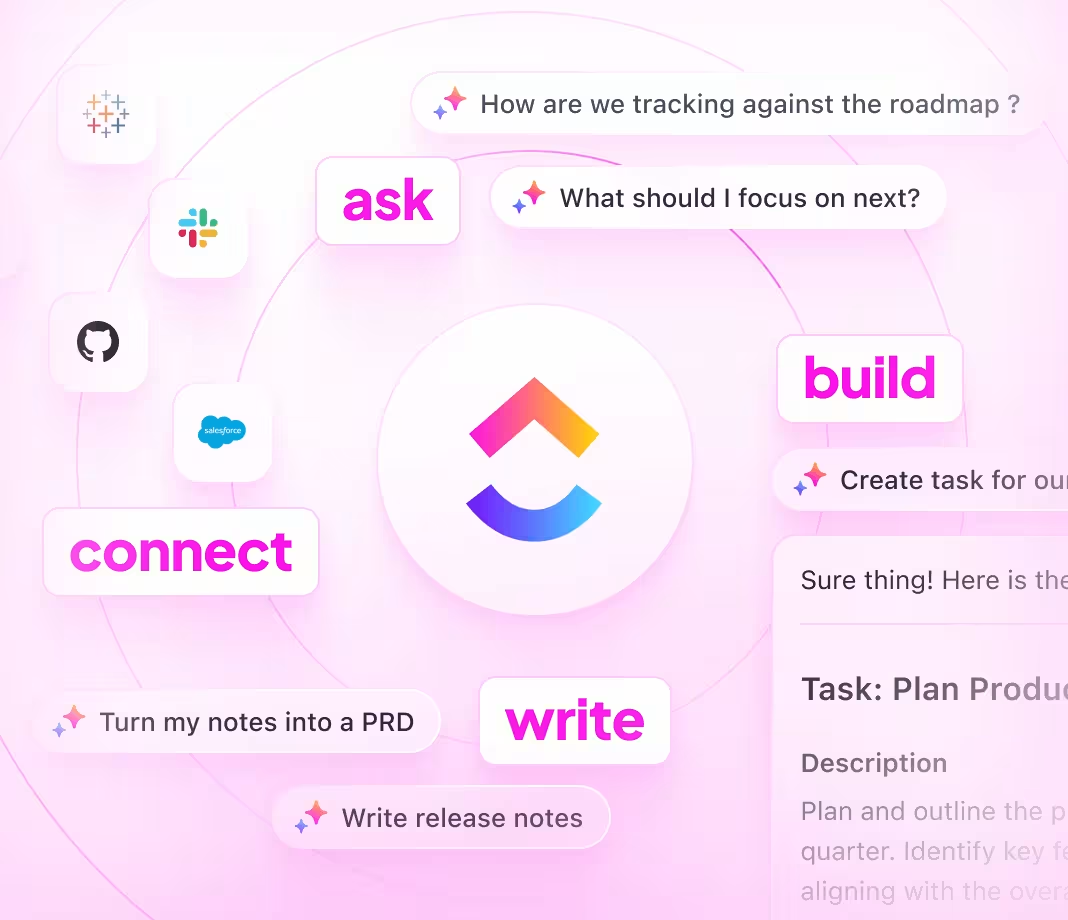
Maximize Efficiency with ClickUp Knowledge Base
Unlock the Power of ClickUp for Accessibility Testing Knowledge
Ensure your accessibility documentation is precise, owned, and evolves alongside your testing efforts.
Organize
Structured Accessibility Documentation with ClickUp Docs
- Standards, Test Cases, Guidelines, Defect Logs
- Intuitive navigation with nested docs and linked resources
- Consistent templates for test cases and remediation instructions
Why it matters: Teams find critical information quickly, reducing rework and enhancing compliance.

Manage
Accountability and Progress Tracking
- Convert documentation gaps into actionable tasks
- Assign owners, deadlines, and review cycles for maintenance
- Track knowledge base updates alongside testing workflows
Why it matters: Continuous ownership ensures your knowledge base stays relevant and reliable.

Integrate
Documentation Synced with Testing and Releases
- Link docs to testing cycles, bug reports, and remediation plans
- Connect feedback and support tickets to knowledge improvements
- Use AI to generate changelogs and summarize findings
Why it matters: Documentation evolves in step with your accessibility testing program.

Accessibility Testing Knowledge Base in ClickUp
Your Accessibility Testing Questions Answered


SOC 2
CERTIFIED

ISO 27001
CERTIFIED

GDPR
COMPLIANT

HIPAA
COMPLIANT