
Penetration Testing Playbook Knowledge Hub
Build a Centralized Knowledge Base for Penetration Testing Playbooks
Create a unified, searchable resource for methodologies, tools, scripts, findings, and remediation steps—so your security team always accesses the most current playbooks.
 25,000+ reviews from
Trusted by the best
ClickUp vs Traditional Methods
Why ClickUp Excels for Penetration Testing Playbook Management
Establish one source of truth that evolves with your security operations.
Using traditional approaches
- Playbooks scattered across multiple tools or docs, causing version conflicts
- Manual updates prone to omission during fast-paced testing cycles
- Lack of integration with issue tracking and remediation workflows
- Rigid permissions leading to duplication for different teams
- Time-consuming creation and maintenance processes
Using ClickUp
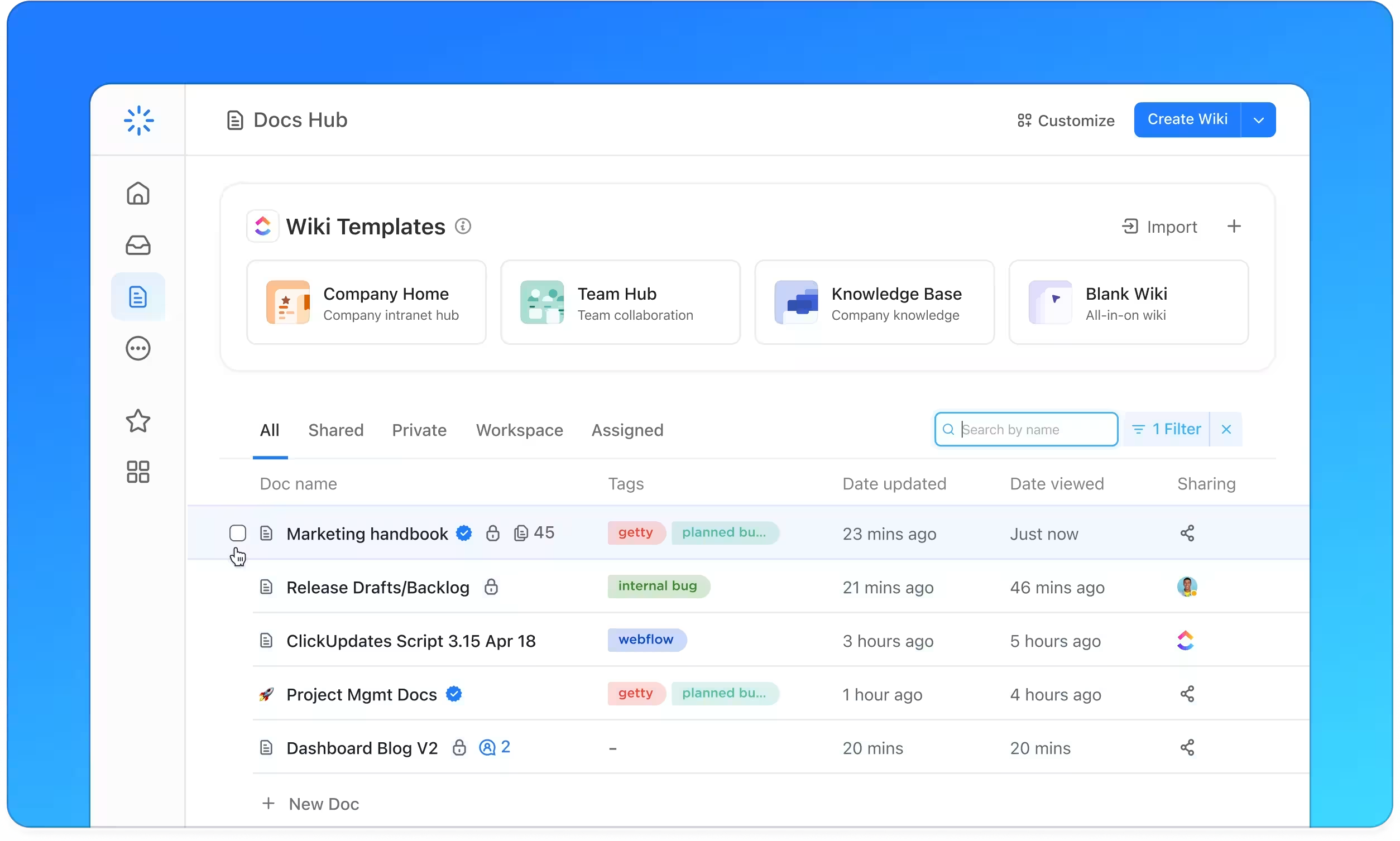
- Combine documentation, tasks, and comments in one platform
- Automatically convert playbook gaps into actionable tasks
- Link playbooks to real-time findings, incidents, and patches
- Granular access controls for internal and external collaborators
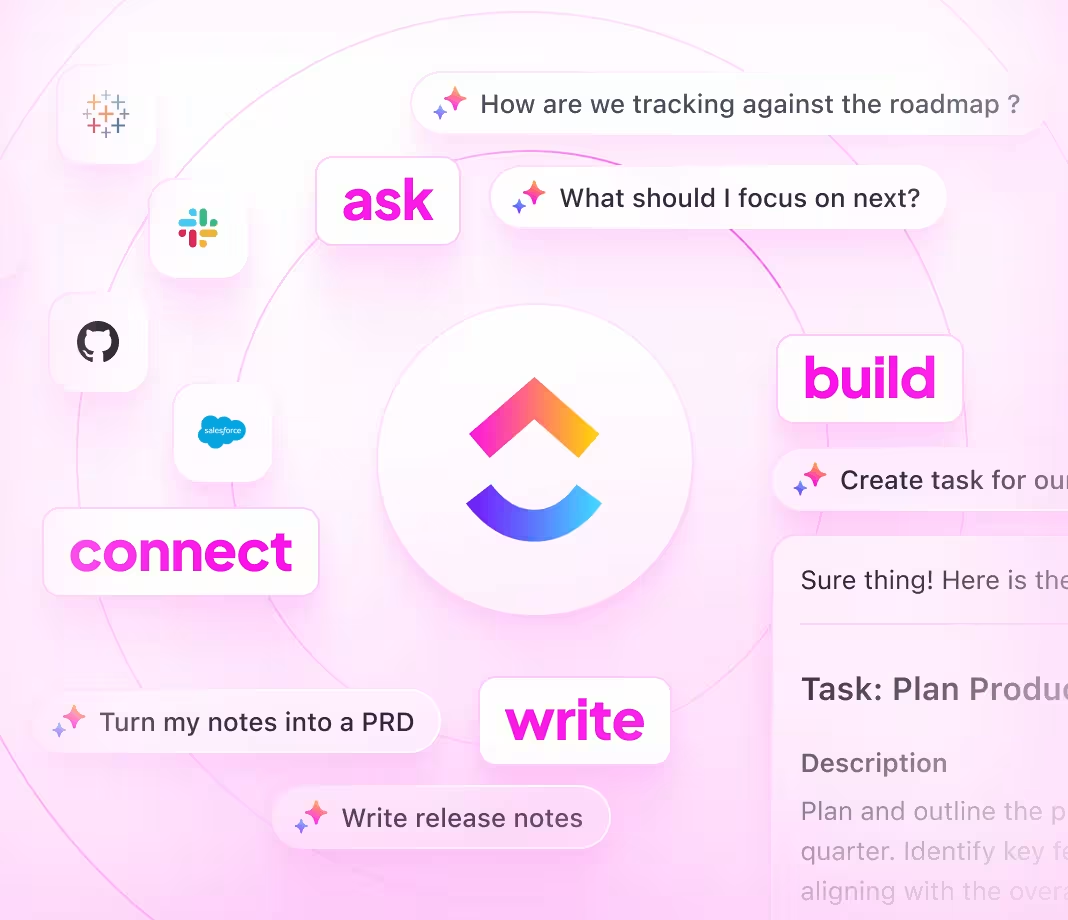
- Leverage ClickUp AI and Brain Max to accelerate writing and updates
Building your penetration testing knowledge base
How to create a penetration testing playbook knowledge base?
Follow these 6 steps to keep your playbooks organized, actionable, and aligned with evolving threats.
1. Identify your audience and define playbook objectives
- Determine users: pentesters, security analysts, auditors
- Outline goals: consistency, compliance, rapid response
- Assign roles for ownership and updates
2. Design a clear knowledge base structure
- Build a centralized hub with intuitive navigation
- Include sections like reconnaissance, exploitation, post-exploitation, reporting
- Maintain changelogs and tool inventories for traceability
3. Standardize playbook templates for uniformity
- Use consistent formats for each testing phase
- Detail objectives, tools, commands, expected results, and remediation advice
- Address common pitfalls and edge cases to reduce errors
4. Incorporate real-world scenarios and troubleshooting guides
- Document case studies and incident responses
- Provide solutions for frequent obstacles and tool issues
- Centralize automated script references and configurations
5. Keep playbooks current by linking to testing cycles
- Connect documentation updates to scheduled test plans and findings
- Treat playbooks as living documents integrated with security operations
- Ensure alignment with emerging vulnerabilities and compliance requirements
6. Manage access and continuous improvement
- Configure permissions for internal teams, external auditors, and partners
- Regularly review and update playbooks based on feedback
- Use analytics and AI insights to identify knowledge gaps
Unlocking efficiency with ClickUp
How ClickUp empowers your penetration testing knowledge base
Ensure your playbooks are structured, owned, and synchronized with every testing cycle.
Organize
Consistent playbook documentation with ClickUp Docs
- Segmented sections: Reconnaissance, Exploitation, Post-Exploitation, Reporting
- Interactive table of contents and subpages for easy navigation
- Uniform playbook templates for clarity
Why it matters: Your team quickly finds vital steps and reduces miscommunication.

Manage
Clear ownership and progress tracking
- Transform documentation gaps into tasks automatically
- Assign owners, set deadlines, and define review cycles
- Monitor updates like any other security project
Why it matters: Accountability ensures your playbooks remain reliable and effective.

Integrate
Link documentation to testing and remediation workflows
- Connect playbooks to testing schedules, findings, and incident reports
- Align updates with vulnerability management and patch cycles
- Incorporate feedback loops from security teams
Why it matters: Your knowledge base reflects real-world security operations and evolves continuously.

ClickUp knowledge base for penetration testing playbooks
Frequently Asked Questions


SOC 2
CERTIFIED

ISO 27001
CERTIFIED

GDPR
COMPLIANT

HIPAA
COMPLIANT