
Gantt Chart Software for Warehouse Coordinators
Visualize Your Warehouse Workflow Like Never Before
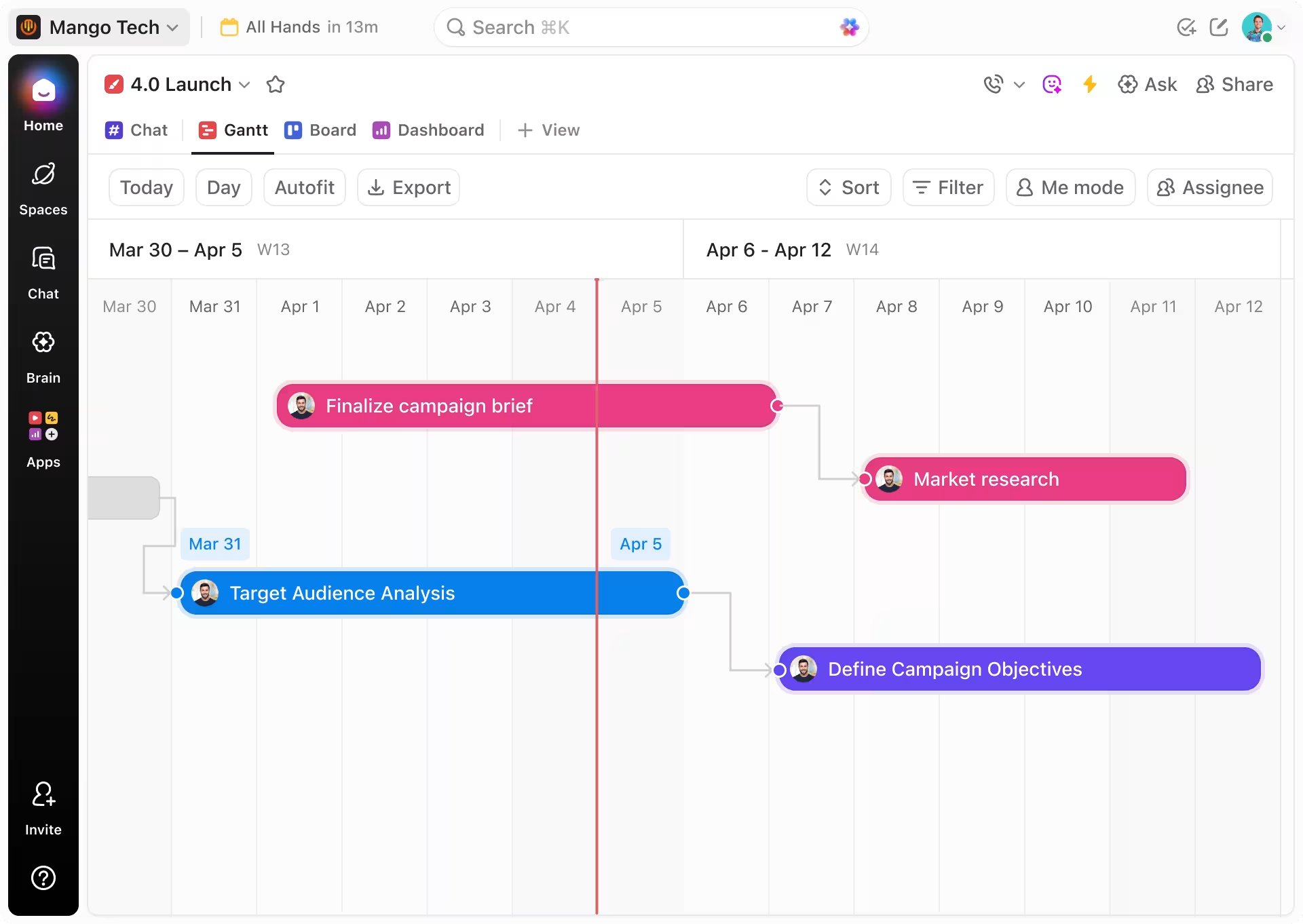
Plan inventory movements, schedule shipments, and coordinate your team with a dynamic timeline that keeps your warehouse running smoothly.
 25,000+ reviews from
Trusted by the best
Why Choose Gantt Chart Software?
The Warehouse Coordinator's Challenge: Managing Chaos Without a Clear Plan
Handling a busy warehouse without a timeline is like juggling blindfolded. Priorities get lost, shipments get delayed, and inefficiencies pile up.
Here’s where traditional methods fall short for warehouse coordinators:
- Inventory schedules become a guessing game — losing track of stock arrivals and dispatches.
- Manual task tracking causes errors — missed shipments and overlooked orders.
- Communication breakdowns — updates scattered across emails and walkie-talkies.
- Resource clashes happen frequently — forklifts, docks, and staff double-booked.
- Deadlines sneak up unexpectedly — rush orders cause last-minute chaos.
- Progress visibility is limited — hard to see what’s on track and what’s delayed.
- Coordination across shifts gets complicated — handoffs lack clarity, causing delays.
- Planning lacks flexibility — hard to adjust when priorities change on the floor.
Traditional vs ClickUp
Why Conventional Tools Can’t Match ClickUp Gantt for Warehouse Management
Discover how ClickUp gives warehouse coordinators the control and clarity missing from spreadsheets and sticky notes.
Traditional Methods
- Task details spread across paper logs and disparate systems
- Inventory updates delayed or missed
- No clear visibility of task dependencies
- Communication via informal channels leading to errors
- Last-minute rushes due to unclear deadlines
- Difficulty tracking team workload and equipment usage
Use Cases
Unlock Warehouse Efficiency with Gantt Chart Software
See how a clear visual schedule can transform warehouse operations and reduce costly errors.
#UseCase1
Eradicating Delivery Delays Through Timeline Visibility
ClickUp’s Gantt charts spotlight every shipment’s schedule—so delays are flagged early and routes stay on track.
#UseCase2
Streamlining Inventory Restocking Processes
Visual timelines help you plan reorder points and supplier deliveries, avoiding stockouts and overstock.
#UseCase3
Coordinating Multi-Shift Teams Seamlessly
Assign tasks across shifts with clear deadlines and handoff points to maintain continuous workflow.
#UseCase4
Avoiding Equipment Conflicts with Resource Scheduling
Map forklift and dock availability to prevent double-booking and downtime.
#UseCase5
Managing Urgent Order Prioritization
Visualize task sequences to quickly rearrange priorities and meet rush requests without chaos.
#UseCase6
Tracking Compliance and Safety Checks
Schedule regular inspections and audits with automated reminders and clear documentation.
#UseCase7
Reducing Paperwork Through Digital Task Management
Centralize all orders, checklists, and reports directly linked to tasks on your Gantt timeline.
#UseCase8
Enhancing Communication Across Warehouse Zones
Keep team members informed with attached notes and updates visible in real-time.
#UseCase9
Optimizing Shipping and Receiving Workflows
Plan dock schedules and cargo movements to minimize wait times and maximize throughput.
Key Beneficiaries
Who Benefits Most from ClickUp Gantt Charts in Warehousing
Ideal for warehouse coordinators juggling multiple shipments, staff schedules, and inventory deadlines.
If You Manage Complex Inventory Flows
ClickUp’s timelines help you track stock levels, reorder points, and supplier schedules across multiple warehouses.

If You Coordinate Cross-Functional Teams
Keep forklift operators, pickers, and shipping staff aligned with clear timelines and task dependencies.

If You Oversee Urgent or Seasonal Shipments
Visualize priorities and adjust schedules on the fly to meet fluctuating demand without missing deadlines.

How ClickUp Empowers Warehouse Coordinators
Step Into a More Organized Warehouse
Manage everything from stock to shipments with confidence using ClickUp’s Gantt tools.
Centralize All Warehouse Data
Link inventory lists, shipment documents, and task notes directly to your Gantt timeline for easy access.
Plan Inventory and Shipments Visually
Map out receiving, packing, and dispatch phases to prevent overlaps and delays.
Standardize Workflows and Procedures
Use templates and dependencies to ensure tasks happen in the right order every time.
Facilitate Team Collaboration
Assign roles and deadlines clearly, so everyone knows what to do and when.
Turn Meetings into Action Items
Convert warehouse briefings into actionable tasks sequenced on your schedule.
Stay Ahead of Deadlines
Automated alerts keep you informed of upcoming shipments, audits, and restocking dates.

FAQs on Gantt Chart Software for Warehouse Coordinators


SOC 2
CERTIFIED

ISO 27001
CERTIFIED

GDPR
COMPLIANT

HIPAA
COMPLIANT